Showing posts with label TV. Show all posts

Sunday, November 24, 2019

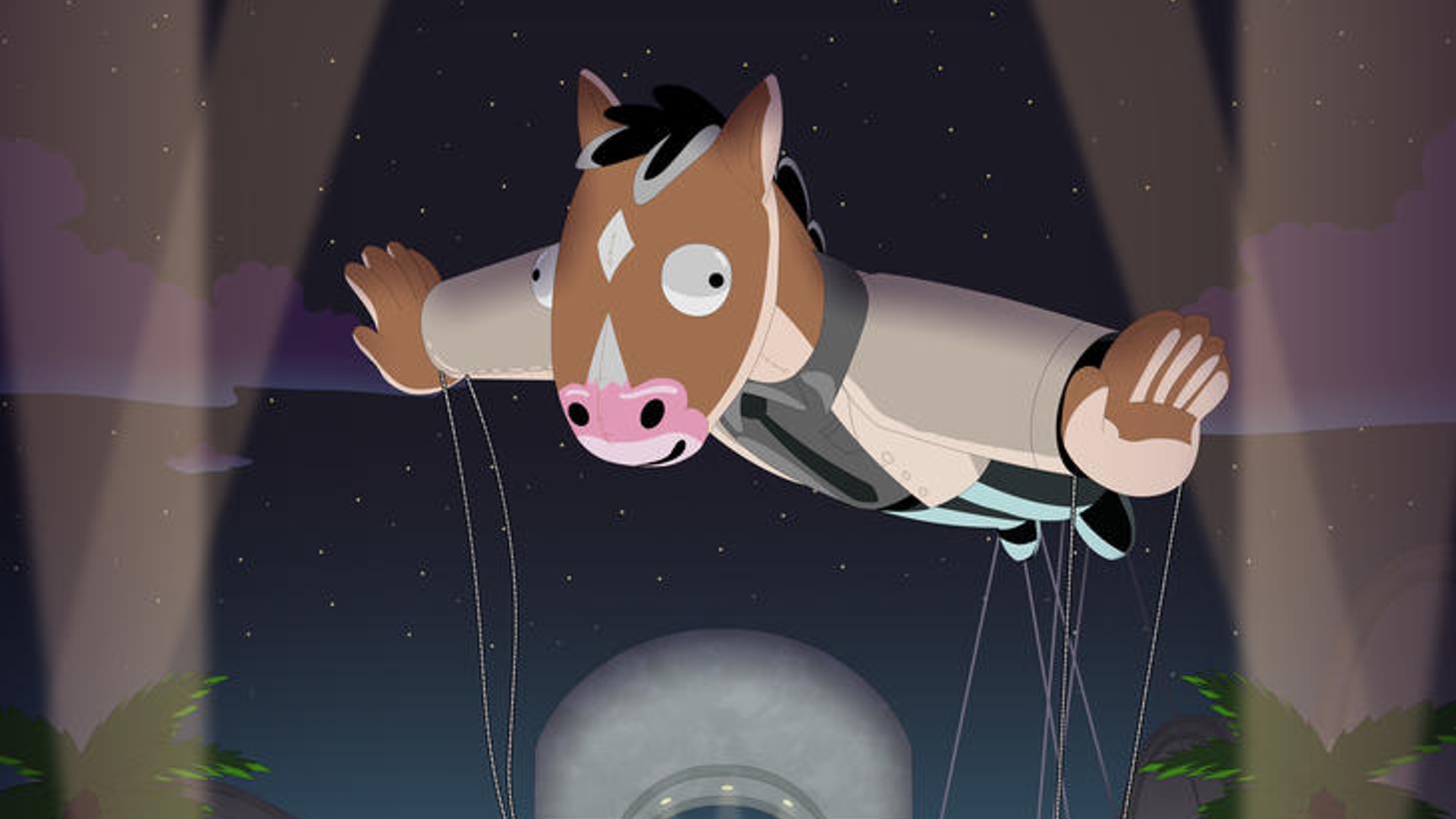
BoJack Horseman Season Six (Part One)


When it was announced that Season Six of BoJack Horseman would be its last, I was somewhat sad. At the same time, though, it felt like the series was heading toward the point where there needed to be some form of resolution, lest the cycle of its titular character taking one step forward and two steps back every season begin to feel tiresome. Each year, BoJack's struggles and self-defeating tendencies changed in scope and intent enough to keep the show feeling fresh, but it's not a formula that could continue forever.

And so, Season Six finally presents us with a version of BoJack that we've never seen before -- a good one. There's been bits and pieces of modest improvement in his character over the course of the show, but each time, these triumphs have proven to be fleeting, and it's only a matter of time before he self-destructs again.

This time around, it doesn't feel like the rug is going to be ripped out from under us. BoJack spends much of the season in rehab and seems committed to avoiding drugs and alcohol. The last episode he's a part of involves him breaking away from his house (a site of no shortage of awful memories from the past) and going around to make amends to the various members of the main cast. He has a good discussion with Todd, and later gets a woman to sign up for his asexual dating app ("All About That Ace"). He gives Princess Carolyn a nudge in the right direction, and indirectly convinces her to re-hire Judah to help give her more time with her baby, Ruthie. BoJack and Mr. Peanutbutter finally sort of get their "crossover episode" on the set of their shows at the Smithsonian. Finally, he visits Diane and gives her the inspiration she needs to begin treating her depression with medication, followed by performing the kind gesture of cleaning her house.

BoJack Horseman has saved the most crushing moments for its seasons' penultimate episodes, so it was interesting that they flipped the script by using this one to give happy and hopeful endings to each member of the main cast. Of course, the finale was still to come, and it was one of the most brilliant episodes that BoJack Horseman has ever done. None of the five main cast members appear in the finale. Instead, it's an episode that checks in on several minor characters whose lives BoJack has significantly affected. This could fail on a lot of shows, but Hollyhock, Kelsey Jannings, and to a lesser extent, Gina Cozador, have been so well-developed that they're more than able to carry a full episode by themselves (I love it whenever the show brings Kelsey back).

The conclusion of the finale, however, invites trouble ahead. Hollyhock's at a party and meets a guy named Peter, whom (::pats self on the back::) I immediately recognized as Penny's friend "Pete Repeat" from the series' best episode, "Escape from L.A."  The show cuts to the credits just as Peter is about to reveal to Hollyhock what BoJack did with Penny all those years ago, which would have major ripple effects. Couple that development with an investigator getting closer to the truth about Sarah Lynn's death, and BoJack's two greatest crimes are about to re-surface at a time when he's reached the peak of his progress. That's a lot of ammo for the back half of the season.

Per usual, the least effective episode of the season was the 'political issue' episode, a consistent pattern that held true each of the last three seasons (Season Two's "Hank After Dark", by contrast, was fantastic). I feel like I say this every season, but while the show has valid points to make, it doesn't deliver them in a unique way. Their attack on capitalism in "Feel-Good Episode" lacked the usual BoJack Horseman creative touch (except for their ability to portray a white whale as an actual white whale, named Jeremiah Whitewhale). Also less effective was Mr. Peanutbutter's running storyline in which he had to deal with Pickles learning the truth of his affair with Diane. I've found it much harder to care about that relationship than the others on the show.

On the other side of the coin, Todd and Diane received excellent season-long arcs, and we finally got some backstory on Todd's family that we've been lacking to this point. I thought the relationship between Guy and Diane was a good direction for the series to take, and the friendship between Todd and Princess Carolyn continued to pay dividends. Princess Carolyn's journey as a new parent was also an interesting one, and while I can say from experience that being a new parent is challenging, I've never had to deal with my baby being an actual porcupine with quills that can puncture my skin.

BoJack Horseman continues to succeed as one of television's greatest shows, and it's set up for a fantastic conclusion. January 31 can't get here fast enough. CAN'T. WAIT.

Episode Grades

  1. "A Horse Walks into a Rehab": A-
  2. "The New Client": A-
  3. "Feel-Good Story": B
  4. "Surprise": B
  5. "A Little Uneven, Is All": B+
  6. "The Kidney Stays in the Picture": A-
  7. "The Face of Depression": A
  8. "A Quick One, While He's Away": A
Half-Season Grade: A

Wednesday, August 14, 2019

Billions (Season Three, Incomplete, Dropped)


This is more or less a housekeeping post. I dropped Billions for good. This might have been foreseeable in that it's taken me about two years to get through half of Season Three. There wasn't a particular moment that did it for me (though I've heard from others that the direction the plot's taking is disappointing).

Billions had an okay-ish first season and a slightly improved second, but there's no point in continuing on anymore. Most of the characters on this show are completely not interesting (Oliver Dake is the biggest crime here, that guy might be one of the worst-written characters I've ever seen for someone who serves as substantial a plot role as he does in Seasons Two and Three, very reminiscent of Raymond Tusk from House of Cards), and almost all of them are horrible people. Every episode is basically a contest to see which character can screw over another character the hardest (often in confusing and difficult-to-follow ways), which is problematic when it's hard to really care who wins.

On top of all that, there's plenty of investment and legal lingo included that's deliberately written to be confusing to the common viewer, because Billions needs to create the impression that all of these characters have practically superhuman ability in their respective fields, and what better way to do that than to make it appear that all of them understand something that you don't?

Billions had some strong moments and some legitimately exciting plot threads to this point in the series, but by the middle of Season Three, it started to feel like the financial/legal equivalent of House of Cards (for those who don't know my views on that show: that's an insult). The important lesson to learn from these two shows is that "sick" plot twists don't give a series a long shelf life. If you're going to put a (mostly) humorless drama out there, you'd better get yourself some compelling characters, because otherwise, even great actors like Paul Giamatti and Damian Lewis won't be able to save it.

Season Three Grade, Don't Give a Damn That I Didn't Finish It: C-

Monday, August 12, 2019

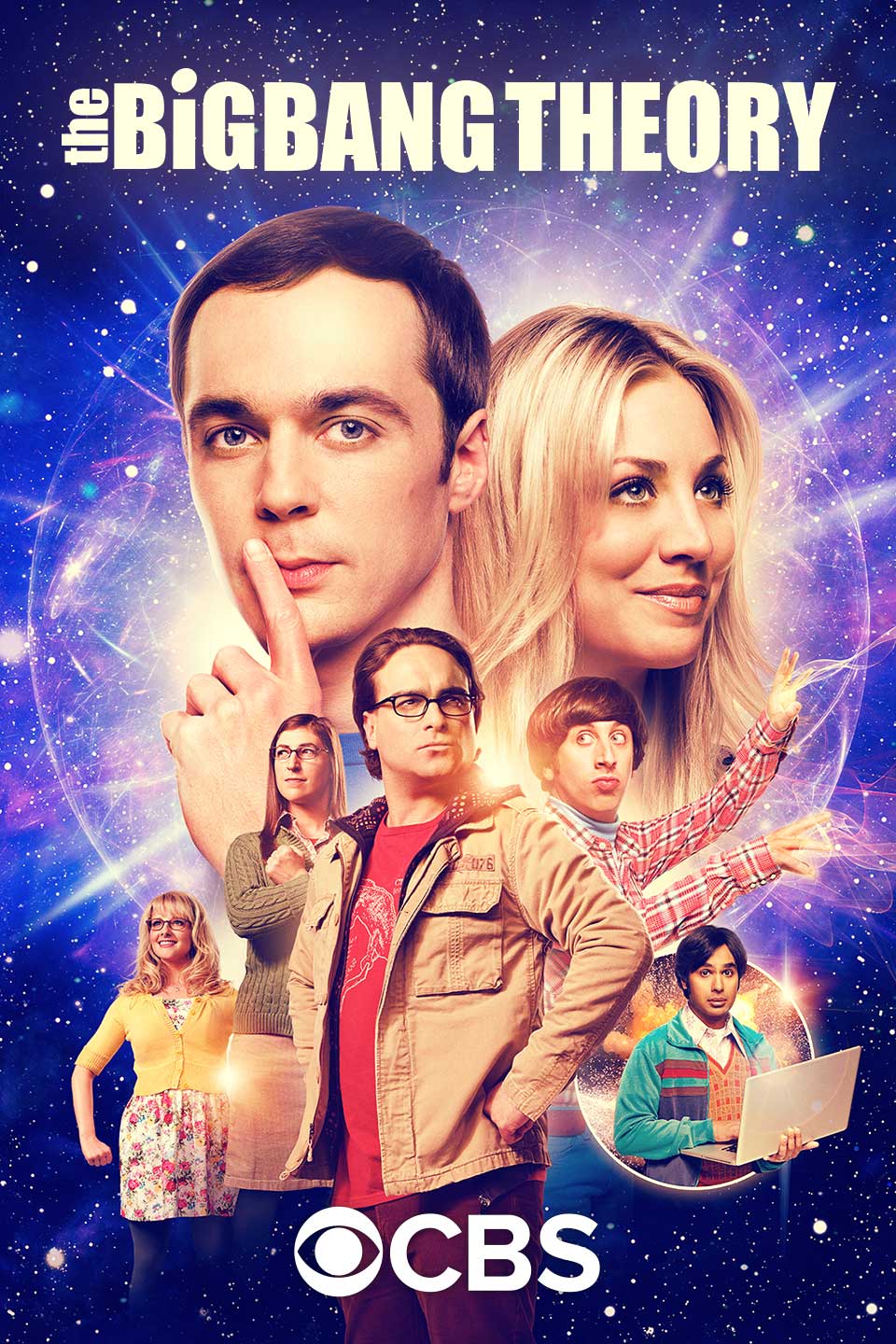
The Big Bang Theory (Season 12 & Full Series)


First of all, there's inevitably going to be spoilers in this space, but this isn't the type of show where that matters much.

The Big Bang Theory wrapped up its twelfth and final season in May of this year, and it occupied plenty of space on our DVR as a "show of last resort" that my wife and I would watch when pretty much all else failed. While not necessarily "bad", the show generally didn't have much to offer these last four seasons and we were more or less just riding it out until the end.

The major plot of Season 12 involved Sheldon and Amy gunning for a Nobel Prize for their work on "super asymmetry", and navigating the politics involved in trying to attain the award, not to mention trying to fend off a couple frauds (played by Sean Astin and Kal Penn) that kept trying to take credit for their work. They eventually win the award, with Sheldon's portion of the acceptance speech consisting of a big "thank you" for the friends that supported him all of these years, rather than the extremely long list of arrogant "I-told-you-so's" that he had planned to fling at his doubters. 

That was among the more satisfying of endings for the show's character arcs. Penny winds up pregnant and in the finale seems completely content with this, despite it not seeming like something that she fully wanted earlier in the season. It's not implausible, but that happy ending doesn't feel fully earned, as the show didn't exactly explore her feelings on the subject aside from a scene nine episodes earlier in which it's revealed that she's conflicted about her prior convictions of not wanting any children.

There isn't much in the way of resolution for the rest of the characters (except Stuart, who moves in with his new girlfriend, Denise). The series more or less just ends for Howard and Bernadette, whereas Raj breaks it off with Anu thanks to some last-minute heroics from Howard. He doesn't get much in the way of a resolution, aside from sitting next to Sarah Michelle Gellar at the Nobel Prize Ceremony. I'm disappointed that the show never really figured out what to do with Raj.

Season 12 had its moments, and the finale definitely had its high points, but The Big Bang Theory had already milked every last bit of intrigue out of these characters, so there wasn't much left to do besides sit back and enjoy the occasional witty one-liner. There's only so many times Chuck Lorre and company can expect a Sheldon "I-can't-care-about-other-people-no-wait-nevermind-yes-i-can" storyline to really resonate. Heck, even the finale was just another episode in that mold (though admittedly a stronger-than-usual one). The best that The Big Bang Theory ever had to offer was left behind almost a half-decade ago. We knew that going in, so how disappointing could this really be?

Season Grade: C+

***

The Big Bang Theory got off to a very rough start as a series, with a first season that created characters that were socially inept and hoped that its audience would get a kick out of laughing at nerds. The tone of the series measurably changed in its second season, as the viewing experience felt a lot more like hanging out with quirky people rather than poking fun at them. As the series progressed, the "nerds" began to feel more like people with dignity.

That didn't mean that all of the characters ultimately wound up compelling. Bernadette, Raj, and Leonard weren't drawn as well as the rest of the main cast, and that was a consistent black mark on the series. However, Sheldon, Penny, Amy, and Howard had lives that were fun to follow, and each evolved a great deal over the twelve seasons of the series. In particular, Jim Parsons has been showered with awards for his work as Sheldon Cooper, and he deserves every bit of it. The quality of The Big Bang Theory ebbed and flowed throughout its run, but Sheldon is one of the greatest sitcom characters ever, and this show may have not even been renewed for a second season if he didn't quickly become a breakout star in its first.

Throughout much of The Big Bang Theory's run, it has been one of the most popular scripted shows on television, and that owes just as much to its aim for broad appeal (at the expense of more complex story arcs and continuity concerns) as it does the fact that plenty of its episodes are pretty funny. There's a fair amount of basic, predictable jokes, and those that cite this as a criticism of the series are certainly not wrong. 

However, there's also a lot of good humor and heartfelt stuff mixed in, and that's missed by most who have a cursory understanding of the show. The Big Bang Theory's ubiquitousness is the main reason it's become the butt of jokes (similar to Nickelback, a band with obvious shortcomings that no one would care to joke about if it also didn't have enough appeal to have a massive following). As a result, it's the most underrated overrated show on TV. Anyone who lists The Big Bang Theory as one of their five favorite TV programs likely doesn't watch enough shows with depth or ambition. Likewise, anyone who turns up their nose and sneers at it without at least giving it a reasonable chance is missing out on the endearing charm that kept millions of people tuning in each week. 

Series Grade: B-

Monday, August 5, 2019

Deadwood (Full Series & Film)


I actually watched the first season of Deadwood several years ago, but for some reason stalled after watching the first episode of Season Two. However, with the movie coming out this year, I got re-motivated to finish off the series, and it was quite the worthwhile journey.

"Deadwood" is a town in South Dakota, and the series is set in the 1870s, prior to the territory gaining statehood. A large contingent of the characters on the show were actually real-life figures, including well-known ones like Wild Bill Hickok, "Calamity" Jane Cannary, and Wyatt Earp. Through three seasons, David Milch shows the growth of Deadwood from its infant stages to a vibrant community with inhabitants intricately tied to each other's interest and well-being.

In 1876, the righteous, hot-tempered marshal Seth Bullock (Timothy Olyphant) leaves his post in Montana to open a hardware store in Deadwood with his friend Sol Star (John Hawkes). He soon becomes entangled with Al Swearengen (Ian McShane), the proprietor of The Gem, which doubles as a bar and brothel. Though initially presented as a somewhat dangerous antagonist, Swearengen eventually becomes the series' most important character and a sort of anti-hero.

Part of what makes Swearengen endearing is that many of the other figures that either live in the camp or filter through it are downright despicable, from Cy Tolliver (the late Powers Boothe), the owner of the rival Bella Union, to perverse geologist Francis Wolcott (Garret Dillahunt), to the gold-obsessed businessman George Hearst (Gerald McRaney). Swearengen and his seedy crew seem to have just a shred more humanity in them than those they clash with, and it's enough to get you to root for them in the town's frequent conflicts (even sometimes, when the lawful Bullock is on the other side).

That's largely a testament to McShane's performance as the charismatic Swearengen, who is just a Tony Soprano away from being in the conversation for the best television character ever created. McShane steals every scene that he's a part of, and his one-liners and monologues range from powerful to hilarious. I can't say enough about the combination of the perfect voice, spot-on delivery, and superb writing that went into Al Swearengen, and it says quite a bit that I prefer him to every one of the rich characters on The Wire.

The main knock on Deadwood is its third season, as it was cancelled too soon and left many threads lingering, which made the de facto series finale something of an anticlimax. There's a plot line in Season Three involving a theater group that moves into Deadwood that proves to be thoroughly inconsequential, which is a shame considering how much screen time it received. I imagine that their presence was all a setup for the never-produced Season Four, but as it stands, the arc (if you can even call it that) was worthless; I checked out during many of those scenes and was no worse for the wear.

With such critical acclaim surrounding the series and a general understanding that the show never got the ending it deserved, HBO released Deadwood: The Movie on May 31, 2019. It was set ten years after the events of Season Three, and it was a little sad to watch just how much older all of the actors had become. In some ways, the film's conclusion felt just as disappointing as that of the full series, though that owes in part to the need to maintain historical accuracy in some respects. However, it did succeed in showing that the rough, often uncivilized mining camp had developed into a prospering, much more respectable town. As Deadwood (similar to The Wire) utilizes a large ensemble cast and aims for the town itself to be the "star" of the show, that's probably the most important ending of all.

Series Grade: A-

Film Grade: B

Wednesday, June 26, 2019

Game of Thrones, Season 8


This is another one of those reviews that I'm purely doing for completionist reasons. Everything that could possibly have been said about this show -- and particularly this season of this show -- has already been said. Furthermore, I'm not a major GoT expert. I read like 75% of the first book, saw the pilot episode, and drifted in and out of the plot line as my wife has watched it over the course of the decade. I watched Season 7 and Season 8 in full, and while I might not have the depth of the background that everyone else had, I knew enough about the key plot points and characters prior to Season 7 such that I was not hopelessly lost.

The prevailing opinion seems to be that Season 8 was disappointing. I found it to be fairly entertaining. The standout episode was "A Knight of the Seven Kingdoms", which featured the knighting of Brienne and all of the build-up before the Battle of Winterfell. The Battle of Winterfell was very confusing due to the weird choice to make everything extremely hard to see (exception: I thought the scene with the Dothraki torches being extinguished one by one off in the distance was pretty cool).

A lot of people were mad about Dany's heel turn, but it seemed like this was foreshadowed pretty well throughout the series and rooted in what we know about her character. She's had plenty of moments of kindness before, but she's been all about power from the jump, and her lean into the "tyrant" mindset wasn't all that shocking.

The final episode did a good enough job. It's impossible to tie up all of the many remaining threads in a way that satisfies everybody. I thought Drogon burning the Iron Throne was one of the weirdest scenes of the series. The decision to make Bran the new king was shocking to everyone except Las Vegas bookies, who apparently had that one nailed from the jump. Bran was such a weird goober for the entirety of the last two seasons and I didn't like much of anything they did with him (particularly given that his powers were basically useless at the Battle of Winterfell).

Tyrion's whole deal for most of the series is that he's smarter than everyone else, but the show's writers fashioned him into an idiot who couldn't see two steps ahead down the stretch, which was really odd. The show tied up Arya and Sansa's arcs pretty well, and Arya's story in particular in this final season was a strong point.

Another thing that I thought was strange was that Euron Greyjoy's fleet was so dominant against two dragons with support in one episode and then completely helpless against a single dragon the next. They didn't do a good job of making it clear why Dany was so much more successful the second time around.

Anyway, those are my scattered thoughts. They're even less coherent than usual because I know I'm not going to match the same passion for this show as the superfans and again, this season's been beat to death all over the place (plus, I'm getting around to writing this over a month late).

Season Grade: B

Wednesday, May 22, 2019

Barry (Season Two)


Season One of Barry was one of the best TV debuts of 2018, and for their work, Henry Winkler and Bill Hader cleaned up at the Emmy awards. Its eight-episode second act was often just as strong, despite a significant hiccup close to the midpoint. Barry Berkman's (Hader) story continues to get darker, as we learn more about the demons he's been fighting as he tries (often fruitlessly) to put his past behind him. He no longer wants anything to do with his life as a hired killer, including his inconsiderate handler, Monroe Fuches (Stephen Root) and his former Chechen mob connection NoHo Hank (a brilliant Anthony Carrigan). Both men inevitably re-insert themselves into Barry's life and he's once again forced to try to push forward in his acting class with Gene Cousineau (Winkler) and his romantic life with Sally Reed (Sarah Goldberg).

Sally's been a strange character since her introduction, and while her behavior would be extremely bothersome to be around, the show does a good job of drawing her as a self-centered mess. Her behavior can be absurd, but she feels real enough for her to come off as sympathetic when she needs to. The show digs into her past relationship with an abusive boyfriend, Sam, and we learn where a great deal of her insecurities come from.

In fact, Sally's so focused on herself that she remains completely oblivious to who her boyfriend Barry really is. Nearly all the time that Barry's around her, he's trying to deal with his recent awful deeds he commits, and she only notices that something's wrong when he needs to rehearse a scene or otherwise do something for her. Given Barry's journey in Season Two, the dissonance between their focus grows increasingly stronger.

That's because NoHo Hank approaches Barry early in the season and despite his usually-polite demeanor, he blackmails Barry into getting re-involved with the Chechen mob. Carrigan only has a scene or two when he has to get serious and isn't bubbly and upbeat, but he sells those critical ones enough to remind us that the Chechens are, in fact, dangerous. As a result of the events of the Season One finale, the local police push further into their investigation and when the cop leading the investigation eventually confronts Barry, it results in the most effective (and thanks to Hader's delivery) twists in the series to-date.

Unfortunately, that excellent episode is followed up by easily the weakest installment of Barry to-date. I hate it when highly realistic shows take a dive into the surreal (exception: The Sopranos), unbelievable, or supernatural when they've been making their bones on gritty drama. There's a particularly strange sequence in episode 5, "ronny/lily" in which Barry encounters the titular father who has what feels like nine lives and the titular daughter who, in addition to seeming unrealistically feral, seems to have the ability to climb trees, fall from great distances unharmed, and hover a little bit in the air. The whole thing was weird and didn't work at all for me. I've got no problem with a show trying to flex its creative muscle, but it felt like it would have worked better as a dream sequence or something.

The other storyline that didn't do much for me this season was Gene's attempts to reconnect with his estranged son. It just seemed like something that the writers forced in there, and it seemed pretty inconsequential. I'm guessing that they're laying the groundwork for something in the third season, but I wasn't invested in this story at all, and the payoff is uncertain for now.

Fortunately, Barry picked up right where it left off right after "ronny/lily" and this turned out to be just a one-off blip. The remainder of the episodes packed plenty of the tense drama that the show's becoming known for, along with a good dose of hilarity from NoHo Hank (the conversation he has over the phone with a furniture store regarding buying a table on which to put a cocaine shipment is comedic gold). I had read mixed reviews on Barry prior to watching this season, and my opinion is that it's certainly held up to its Season One strength.

Episode Grades
  1. "The Show Must Go On, Probably?": B+
  2. "The Power of No" A-
  3. "Past Equals Present x Future Over Yesterday: B-
  4. "What?!": A
  5. "ronny/lily": D
  6. "The Truth Has a Ring to It": A-
  7. "The Audition": A
  8. "berkman/block": B+
Season Grade: B+

Monday, April 29, 2019

You're the Worst (Season Five & Series Review)


Season Four of You're the Worst was its weakest, and the fourth season is where many shows lose their footing and can't maintain the quality demonstrated by its earlier seasons. Sometimes, the show never recovers (The Office) and sometimes they come roaring right back in Season Five (The Sopranos). Fortunately, You're the Worst was able to stick the landing after it looked like it was losing its grip.

Much of the season centers around the buildup to Jimmy and Gretchen's wedding, including the first episode, which focuses on Jimmy and Gretchen meeting a wedding planner. They invent this whole backstory about how they met. The scenes of this story are played out by different actors in the first 10-15 minutes of the premiere, and I got sucked into it pretty good. The whole time I was also just wondering whether I was even watching the correct show, since Stephen Falk made the interesting choice for his main characters to not appear until about halfway through the episode.

Another standout episode was "Zero Eggplants", which was You're the Worst's sweet spot between comedy and drama. Jimmy and Gretchen actually meet another couple that they don't hate and really get along with. They get close, but the woman in the couple, Rachel, utters the quote:

“Here’s how it is with me. I don’t let just anyone in, but I don’t lose people. So once you’re in, you’re in for life.”
Predictably, that's too much for Gretchen, who immediately sabotages the friendship. Gretchen's commitment issues are well-documented (hell, they're a healthy part of the rationale for the show's theme song), but even the lack of surprise can't stop her actions from being gut-wrenching to watch.

That was quite the emotional contrast to one of the series' funniest scenes earlier in the episode. Jimmy embarks on a quest to fellate another man in an effort to make things up with Gretchen (incidentally, she was sort of joking about that, which makes the whole thing all the more crazy). Jimmy finds a man on an online dating app, but his efforts to be sexy fall woefully short, and he spends most of the encounter spitting obnoxious intellectual blather, which earns him some pretty swift rejection.

Another unforgettable episode was "Bachelor/Bachelorette Party Sunday Funday", in which the gang busts Sunday Funday out of retirement for an insane episode with a thrilling sequence that involves Vernon getting stabbed by a deranged Paul F. Tompkins, and then Tompkins getting shot by Jimmy in defense of Edgar. The whole thing was staged, which was great not only because Jimmy and Gretchen got goofed, but also because we finally got some payoff out of Edgar's comedy writing career, which had been a consistent weak point of the series over these last couple seasons.

The last thing to discuss is the finale and the ultimate closure of the arcs for all of these characters. I found the finale somewhat odd, even if the conclusion of Jimmy and Gretchen's storyline makes sense. The show foreshadowed the commitment issues of each, and sure enough, they bail on the wedding. However, they make a resolution while eating pancakes at a breakfast restaurant to choose each other every day. It makes sense, because each one has only been able to function in the relationship as long as they know they can have one foot out the door at any given time. Without the specter and formality of a marriage hanging over them, they're able to pursue their love in a way that makes sense for what we know about the way Jimmy and Gretchen operate.

The conclusions for the rest of the cast are hit-or-miss. Vernon and Becca (who, by the way, is the actual worst, if we're keeping score) seem to move past many of their issues, and Vernon starts to get back on his feet financially. Edgar gets his clean break from Jimmy (after telling Jimmy not to marry Gretchen, in one of the series' most shocking moments) and has come a long enough way to pursue his career successfully.

Other stories didn't work as well. I actually thought that Paul's storyline came to a natural, if weird conclusion in "The Pillars of Creation", in which he gets intimate with Vernon and Becca. The three seem almost like a family afterwards, but the show has other ideas down the stretch and pairs him back up with Lindsay, who re-marries him. That didn't make a lick of sense to me, as the pair couldn't be worse for one another and the last time they were together, Lindsay stabbed him with an actual knife, in what looked like a possible shark-jump for the series. This all comes after Lindsay's random two-episode stint as a lesbian, which she seemed to shrug off as quickly as the show did. I was disappointed in Lindsay's arc all season long after she practically carried the show in Season Four, and You're the Worst seemed to have no clue how her story should end.

Those blips aside, Season Five of You're the Worst had some of the series' best episodes and found its peak form for extended stretches. Falk & co. went out strong in their final season of a show that was bursting with humor, creativity, and feeling. They took a show about two cynical, selfish jerks and turned it into easily the most unconventional romantic comedy I've ever seen. It's not part of the inner circle of the best shows of all-time, but it's practically a lock to go down as one of the greatest hidden gems of the Golden Age of Television.

Episode Grades

  1. "The Intransigence of Love": A
  2. "The Pin in My Grenade": B
  3. "The One Thing We Don't Talk About": B-
  4. "What Money?": A-
  5. "A Very Good Boy": B
  6. "This Brief Fermata:": B+
  7. "Zero Eggplants": A
  8. "The Pillars of Creation": A-
  9. "Bachelor/Bachelorette Sunday Funday": A
  10. "Magical Thinking": C+
  11. "Four Goddamn More Days": B
  12. "We Were Having Such a Nice Day": A-
  13. "Pancakes": B+


Season Five Grade: A-

Series Grade: A-

Monday, April 22, 2019

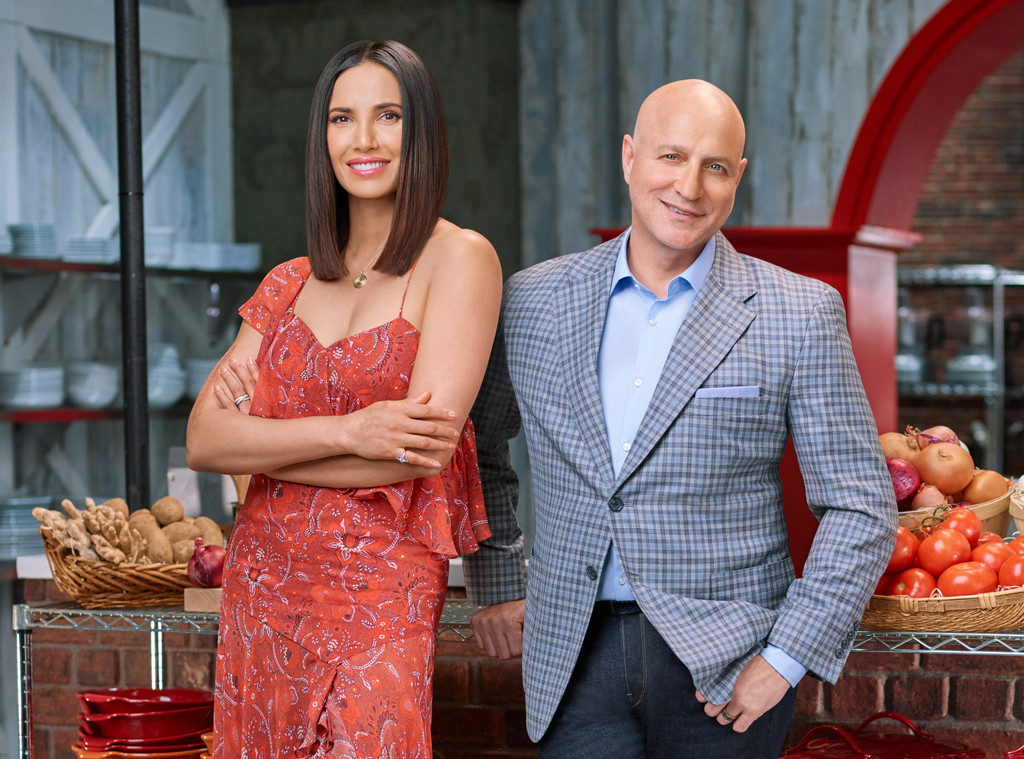
Top Chef (Season 16)


I've never recapped Top Chef before because the quality is relatively consistent from season to season. But I've been making more of an effort to just log the shows I watch, so here's some observations from Season 16.

  • There was no powerhouse chef (like a Paul Qui or Kristen Kish) to speak of from this season that simply steamrolls everybody. That made the question of who was going to win it all a little more interesting to follow, but it's hard to actually know who was the "best" chef of the group
  • I wasn't particularly invested in any of the individual chefs this season except for Eric. I was hoping he would win, and maybe he'll get another chance to compete if they continue this practice of re-admitting chefs from past seasons to the competition.
  • Speaking of re-admitting past chefs, the one time that there was anything resembling a conflict among the contestants was when Brother Luck made it back into the competition. Overall, this crop was a likable group of people, but apparently they liked each other so much that the thought of having Brother compete alongside them was too much. From just the under-their-breath snippets and what we saw in the confessional, they were legitimately awful to Brother, who has to be one of the nicer contestants the show has ever seen. This reflected well on no one.
  • Another interesting issue was a team competition early in the season in which Eddie used up nearly all of his team's budget and felt so bad about it that I thought he was going to voluntarily eliminate himself at Judges Table. Ultimately, one of his teammates went home for a mistake that wasn't related to what they had to shave off of their shopping budget, but I definitely felt bad for him and wanted him to do well the rest of the way.
  • Nini must have been much more likable off camera, because the group seemed very loyal to her. The editing made her seem very abrasive.
  • Brandon came off as super arrogant in the first couple episodes and seemed impossible to work with, but he really did seem to make good decisions in the kitchen and seemed more helpful later on. He was frequently snapped up as a sous chef to help for challenges later in the season, which I never would have guessed after watching him early in the season (both that he'd be an eliminated chef and that someone would actually want to work with him)
  • That Kelsey and Sara were both friends before this competition had to make competing in the finale a wild experience. They both handled it well, and I have to imagine that both understand that the runner-up gets so much value in exposure that "losing" isn't really losing.
Season Grade: B-

Wednesday, April 3, 2019

The Marvelous Mrs. Maisel (Season Two)


After a very strong first season, I was pleased to see that The Marvelous Mrs. Maisel was able to turn things up a notch in its sophomore campaign. The show explores Midge's continuing progress toward stardom, including battles against Sophie Lennon, unhelpful gig bookers, her family, and per usual, misogyny. Unlike in Season One, there's fewer questions surrounding Midge's comedic ability and more focus on how difficult it can be for a woman in the late 50's to make it even if talent is taken as a given.

The best arc of the season involves the three episodes in which the Maisel family heads to a summer vacation spot of sorts in the Catskills with many other families. Susie, still trying to get gigs for Midge, humorously finds a way to get room and board at the site simply by walking around carrying a plunger (to which she develops emotional attachment), because everyone assumes that she's on the janitorial staff. One of said gigs puts Midge's comedy life and her family life on a collision course in possibly the most dramatic and hysterical way possible. "Midnight at the Concord" is probably the high point of the season, and the series' best episode other than the Season One finale, "Thank You and Good Night".

The series' other characters have excellent seasons as well. Susie gets noticed for her talents as a manager, and Abe's descent into madness over the course of the season is extremely amusing to watch, because Tony Shalhoub sells the eccentricity so well. Joel continues to grow as a sympathetic character, and a guy who could have simply been a knucklehead who was written out of the show after the first episode gets a chance to grow as a businessman and a person. He even has a few heroic turns during the season. The show's handling and development of Joel has consistently been a strong point of the series, and he's probably the best-drawn character other than Midge.

There's no shortage of cliffhangers at the end of Season Two as Abe contemplates a career change, Midge's comedy act could take a dramatic new turn (which may test her professional relationship with Susie), and Midge's romantic life is an absolute whirlwind. The little universe this show has crafted is extremely well put-together, and I'm very excited to return to it for Season Three.

Season Grade: A

Friday, February 15, 2019

The Marvelous Mrs. Maisel (Season One)


If you watched last summer's Emmy Awards, you know that The Marvelous Mrs. Maisel absolutely cleaned up, winning the awards for Comedy Series, Lead Actress in a Comedy Series (Rachel Brosnahan), Supporting Actress (Alex Borstein), and Casting for a Comedy Series. It was straight up dominance, and after watching just a couple episodes of the excellent first season, it's not hard to see why everyone was so in love with the show.

Maisel is set in the late 1950s in New York City. Miriam "Midge" Maisel (Brosnahan) is a housewife to her husband Joel (Michael Zegen) and their two children. Both Midge and Joel come from Jewish families, and the show explores their often complicated relationships with their parents. It's established early on that Midge is essentially a flawless supporter of Joel, going over the top to make him happy and help him to be successful. In particular, Joel is an aspiring stand-up comic and though he's not funny at all, he achieves whatever modest success he has to Midge's assistance with preparing him and setting up his gigs.

Joel is unappreciative of what he has in Midge and winds up leaving her, which leads to Midge getting drunk and trying her own hand at stand-up comedy. She's wildly successful, which gets the attention of Susie Myerson (Borstein), who encourages Midge to pursue comedy and becomes her manager. That's essentially the set up for Season One.

Over the course of the season the show covers the fallout from Joel and Midge's separation, including the complicated effect it has on the parents of each. Midge's stand-up career has its ups and downs, and the difficulties of trying to make it in the comedy world -- even for someone as clearly talented as Midge -- are made clear. Maisel has rich, multi-dimensional characters; even Joel, whose behavior early on garners him no sympathy, experiences a great deal of growth to the point where he's not completely loathsome by the end of the season (which is really saying something).

One odd observation I had about the first season is how little Midge and Joel interact with their children. Midge ostensibly goes out all the time to practice comedy and enjoy parties. She seems to enjoy the relative freedom of a childless woman. It seems like she just dumps the kids on her parents all the time. I have two kids who are each about a year older than the two kids on the show, and as my wife and I are in a comparable stage of life, it just seems bizarre to me. 

Brosnahan is absolutely stellar in the lead role, and Borstein is hilarious as the sarcastic, quick-witted Susie. Tony Shalhoub was nominated for an Emmy for playing Midge's stern, math-professor father, and I thought that was a well-deserved honor. Maisel kept us laughing throughout while keeping us invested in the characters' storylines. Season Two is out now as well, and while we have some other TV to catch up on in the interim, continuing this show is pretty high on our priority list.

Season Grade: A-

Sunday, February 10, 2019

The Good Place (Season Three)


Season Three of The Good Place picks up the reboot initiated at the end of Season Two, with the four humans back on earth and given a second chance to improve themselves enough to make it into The Good Place. The show has essentially (and necessarily) taken on a different premise for each season to keep the plot from getting stale and it has largely worked. It's a good, consistent comedy with sharp wit and superb writing.

In addition to laughs, The Good Place is a contemplative show that continuously considers the question of what it means to be a good person. There's things that are obviously bad, like the crimes that Jason's father Donkey Doug (plot twist!) and Pillboi commit, but the show digs even deeper this season into exploring the unintended consequences of ostensibly good actions. It points out that life on Earth has gotten so complicated that it's practically impossible to make decisions that have perfect levels of morality, and nearly all that we do has shortcomings. It's a bit of a grim message, and a rather overwhelming one. The Good Place effectively distracts from these big questions with well-timed laughs, but it presents them nonetheless.

The falling action of the season created some drama in Eleanor and Chidi's romantic relationship, and I suppose how well that hits home depends on how much one truly buys into the pair as a couple. I never really saw it, and it's probably because it felt like Eleanor forced it after finding out that they fell for each other during some of the simulations. Plus, it's hard to see the romantic side of either character given how their exaggerated flaws (Eleanor's selfishness, Chidi's indecisiveness) have tended to dominate their characters over the first few seasons.

The show set itself up for yet another reboot in Season Four, and it's clear from the outset that there's going to be some pretty high emotional stakes for its main characters. I look forward to seeing what Ken Tremendous & Co. have in store for us next.

Season Grade: B+

Wednesday, January 2, 2019

Television Review - 2018


Because I made an effort to review every show that I watched in 2018, I'm going to be able to structure this year's TV review post a little differently and cram it all into one. In the past, I've broken out reviews of my five favorite viewing experiences of the year into separate installments, but since I don't have all that much new to say, I'll simply rank them and link those reviews here.

Here are all the shows that I've watched during 2018. I completed the most recently concluded season of the show (and only the most recent season of the show) unless otherwise indicated. The crop is a little thinner this year because Cheers and The Americans both took a very long time.
Here are the shows I watched last year that have dropped off the list due to no new episodes:
Here are the shows that fell out of the rotation since last year, or that I am 100% sure I will not be continuing, with an explanation:

1. Silicon Valley - We watched an episode or two of this, but rumors of its decline in quality along with the departure of T.J. Miller's Erlich Bachman character from the show stunted our enthusiasm, and we've just sort of stopped watching it.

2. Billions - I can't actually say we stopped watching it -- in fact, we watched the third episode of Season Three after a long hiatus last night. We might complete Season Three next year if that momentum sticks, but I think it's just decent, and the repeated power plays and backstabbing make it feel a little too much like House of Cards and Suits at times. The characters on Billions lie somewhere on the spectrum between the boring, 1-dimensional ones found on House of Cards and the highly entertaining but caricature-like ones on Suits, so it's walking a tight rope.

3. Ozark - I can't stress or repeat myself enough on this point, and it's actually cathartic to say it out loud every so often. The Season One finale episode of Ozark was so unbelievably terrible that I'm dropping the show out of principle, even if it definitely had its moments along the way. There's only a handful of TV episodes I've ever seen that I'd slap an "F" grade on, and adjusting for expectations (Ozark was otherwise decent-to-good), it might be the most disappointing (not to mention repulsive) single installment of a show I've ever seen. It's close between that and the How I Met Your Mother finale.

Finally, here were my Top Five Viewing Experiences of the Year:

5. Barry (Season One) - I'm giving this the slight edge over Season Four of Better Call Saul in a year in which I just happened to watch a lot of great TV. In the end, it's probably because Barry was a completely new experience and toed the line between comedy and drama perfectly.

4. Atypical (Seasons 1-2)- The second season wasn't quite as strong as the first, but overall, but Atypical is rife with strong characters and presents an interesting look at a family whose son (and series main character) is on the autism spectrum.

3. BoJack Horseman (Season Five) - BoJack Horseman might be the best actively-running series on TV and delivered another consistently stellar slate of episodes in 2018. It was something of a bounce-back from Season Four, in which there were a few amazing episodes scattered among weaker (for BoJack) installments.

2. Cheers (Seasons 5-11) - This is the best live-action sitcom I've ever seen and it delivered consistent laughs all the way up until the finale, which is one of the greatest episodes of television of all time.

1. The Americans (Full series, Seasons 1-6) - What a ride. FX's period drama is firmly in the "best of all-time" discussion. When I finished watching the show, my reaction was, "Well, I know The Wire is better, but what else?" As far as other completed dramas are concerned, I know there's Breaking Bad, The Sopranos, Deadwood, and Mad Men (which I don't love but is critically acclaimed) to reckon with. I'd certainly put The Americans somewhere in that group.

Thursday, December 27, 2018

South Park (Season 22)


South Park re-invented itself late in its run with season-long serialized material, and the novelty has worn off that change and there's now some distance from the excellent Season 19. They've been pretty hit-or-miss with their material since then, with some excellent episodes tossed together with some misfires (see basically the entire back half of Season 20). It's inevitably compared to Family Guy and The Simpsons, and the good news is that the quality has held up far, far better than that of either of those two shows.

One nuance of Season 22 is that libertarians Trey Parker and Matt Stone take aim at some of the opinions expressed in older seasons of South Park. The pro-capitalist stance they took back in Season Two's "Gnomes" is reversed in their two-part season finale in which they attacked Jeff Bezos and Amazon's continual takeover of our way of life (though the principal mouthpiece was effectively a talking Amazon box, so it wasn't a full-on endorsement of communism/socialism, either). Similarly, the two-parter of "Time to Get Cereal" and "Nobody Got Cereal" seemed almost like an apology for Season Ten's "ManBearPig", in which they dumped on Al Gore and his focus on global warming. Though they didn't exactly let up on Gore, they presented 'ManBearPig' as something to be taken seriously and the dangers of kicking that particular can down the road. It certainly resonated.

When they weren't trying to make a point, Parker and Stone did put together some funny material over the course of the season. "Buddha Box" took on our society's smartphone addiction to hilarious effect (and brought a little victory to the hectic lives of PC Principal, Strong Woman, and the PC Babies). Also effective was the Halloween episode "The Scoots", which presented a not-so-subtle homage to The Birds and Mr. Mackey going insane about the plethora of e-scooters being scattered about town.

Less good were "Tegridy Farms", which featured newly minted weed farmer Randy Marsh taking on vape culture. While it was the rare episode in which they focused almost exclusively on comedy rather than messaging, and despite the re-emergence of Towelie, it didn't come out all that funny, (and on a personal note, from someone who neither smokes weed nor vapes, much of it didn't resonate). The plot twist of Randy's new career was used to good effect for the rest of the season, however. Also weak was "The Problem with a Poo", a weird takedown of Mr. Hankey that seemed scatterbrained and lacked focus; it may have just been an excuse for Parker and Stone to create an episode with that title, given the similarly-named attack on The Simpsons.

It's still impressive that South Park keeps chugging along like this after this many years. They've mostly lost the capacity to surprise me, but maybe they'll have another Season 19 waiting in the wings in ten years.

Episode Grades:

  1. "Dead Kids": B-
  2. "A Boy and a Priest": C+
  3. "The Problem with a Poo": D+
  4. "Tegridy Farms": C-
  5. "The Scoots": B
  6. "Time to Get Cereal": B-
  7. "Nobody Got Cereal?": B+
  8. "Buddha Box": A
  9. "Unfulfilled": B
  10. "Bike Parade": B
Season Grade: B-

Tuesday, November 13, 2018

It's Always Sunny in Philadelphia (Season 13)


The big question looming over Season 13 of It's Always Sunny in Philadelphia was Glenn Howerton's level of involvement in the series, as the finale of Season 12 wrote in a plausible exit for Dennis Reynolds and Howerton's other endeavors presumably take up a good amount of his time. The above picture didn't lend much hope, unless Dennis was supposed to be the deranged axe man in the background.

Sure enough, Dennis is absent for the vast majority of the first episode, and it's evident how much the show (not to mention the Gang itself) needs him to function. The reveal that he's back (and not just in doll form) at the conclusion of "The Gang Makes Paddy's Great Again" was such a big, refreshing moment that sealed a very good premiere.

However, it's implied that Howerton's presence would be spotty, and that certainly was the case. Dennis was only present for six of the season's ten episodes, one of which was a clip show and another of which was the cameo in the aforementioned pilot. Not coincidentally, three of the four episodes in which he was absent were among the season's worst (with the finale the only exception, and we'll get to that). Particularly weak was "Charlie's Home Alone", which was interesting in concept but awful in execution, as the episode spent the first half effectively having Charlie act out scenes from Home Alone and the second half having Charlie spring gruesome and horrible traps on himself. Also horrible was the completely unfunny "The Gang Beats Boggs: Ladies Reboot", in which Dee and a cast of recurring minor characters fail to recapture the magic of a classic episode. It's Always Sunny in Philadelphia is at its best when the core cast is playing off of one another. In isolation, none of these characters are that great.

Fortunately there were a couple winners during the season. "The Gang Solves the Bathroom Problem" walked a fine line but did so effectively, as the Gang desperately tried to conclude their tangential argument with enough time to make it to a Jimmy Buffet concert for once. The running gag about the non-Dennis characters singing "The Piña Colada Song" in anticipation of Buffet playing it in concert was particularly memorable. Probably the funniest episode of Season 13 was "Time's Up for the Gang", in which the Gang attends a sexual harassment seminar that they predictably deconstruct while typically exhibiting the massive disconnect between each character's self-perception and their reality. The episode gets to the next level when it's revealed that the entire seminar was masterminded by the sociopathic Dennis, who set everything up to call out the rest of the Gang for their past misdeeds (with the irony being that Dennis has by far the most history with being a sexual predator). The formula is somewhat familiar, but it's Sunny at its finest.

Yet, without Dennis, the show must seek out a new identity, and the Dennis-less finale of Season 13 was so unlike anything we've seen before from the show. Sunny has experimented with giving actual human moments to its characters before, most notably Charlie, but the one constant is that they never treat one another like human beings; they're just five individuals stuck together by nature of their own shittiness. The weakest relationship in the group always seems to have been between Frank and Mac. It's crazy, therefore, that Sunny turns to those two for its first truly touching moment in, well, ever.

Mac's closeted (and eventually open) homosexuality had been played on by the rest of the Gang for laughs for years, but the Sunny finale shows Mac as a man who is unable to find his place and who's misunderstood by everyone from his father to his alleged friends. The first two-thirds of the episode, in which everyone continues to treat Mac like a caricature, feel intentionally bad; there's ostensibly jokes but none of them are funny or clever. But then Frank comes back to Mac one more time and says something that eventually helps Mac come out to his deranged father:
"You-you see, Mac, I've been in agony the whole day, but I came to this realization that sometimes you got to let the blood flow in order to start the healing. Some cuts you just can't plug up. That's the same for you. You got this thing inside you, and you're trying to plug it up. But you got to let that shit out. You got to let it flow. Otherwise, you're gonna be in agony for the rest of your life."
What follows is a five-minute interpretive ballet dance between a woman and Mac which Mac tries to use to explain his lifelong struggles to his father. It doesn't work, but it resonates with everyone else in the room including Frank, whose epiphany ("Oh my God. I get it. I get it.") is the climax of the season. In any other episode of Sunny, there would have been some sort of joke -- that Frank was setting Mac up to punk him, that Frank's attempt at sincerity would have been misguided, that Mac's dance number would have been horrible, that Mac's dance number would have been impressive but no one cares for it anyway because it's Mac -- but it doesn't happen. There's a level of earnestness and human feeling in the last ten minutes that Sunny has never explored before, and it will be fascinating to see whether it affects the tone of the show in Season 14.

All things considered, between the heights of "Mac Finds His Pride" and "Time's Up For the Gang" and the lows of a couple of the aforementioned terrible episodes, Season 13 of It's Always Sunny in Philadelphia was quite inconsistent. That will happen when a show partially phases out a character like Dennis Reynolds, but at least it showed that it has still has the creative capacity to put together an occasional excellent episode this deep into its run.

Episode Grades

1. The Gang Makes Paddy's Great Again: B+
2. The Gang Escapes: B-
3. The Gang Beats Boggs: Ladies Reboot: D
4. Time's Up For The Gang: 
5. The Gang Gets New Wheels: C-
6. The Gang Solves the Bathroom Problem: B+
7. The Gang Does A Clip Show: B-
8. Charlie's Home Alone: D-
9. The Gang Wins the Big Game: C+
10. Mac Finds His Pride: A

Season Grade: B-

Tuesday, November 6, 2018

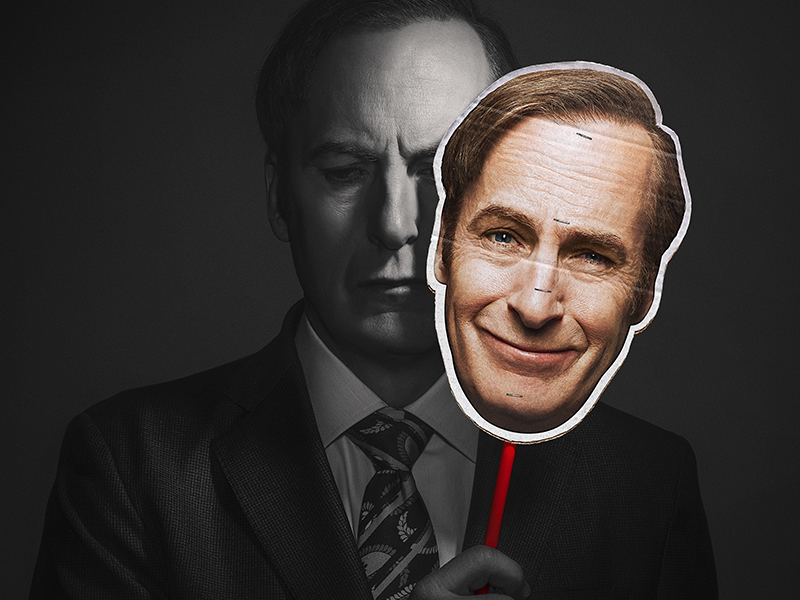
Better Call Saul (Season Four, spoilers)


It was a mistake to jump straight into binging Season Four of Better Call Saul fresh off of marathoning six seasons of The Americans. It was difficult to re-adjust to Vince Gilligan's slow, methodical, artsy style of storytelling after living in Joe Weisberg's fast-action 1980s period drama. Both shows are great in their own right, but it was considerably tougher for me to get sucked into Saul than it had been in years past. To wit, my wife effectively called it quits after the first couple episodes (though naturally, she still wanted me to tell her what happened).

The season did take its time to find its footing, to be sure. The fallout from Chuck's death included extremely weird behavior from Jimmy, who seemingly couldn't find joy in anything until he found out that he was indirectly behind Chuck's suicide. That should have been the first clue for his McGill-severing behavior in the finale. Similarly, Mike meanderings in Lydia's warehouses early in the season wound up not serving much direct purpose, and his arc didn't really pick up until later in the season.

That said, boy did his arc pick up. His effective command of the superlab construction project was probably my favorite Mike storyline of the entire series, and this is the first time I've found myself more invested in Mike than Jimmy. His relationship with Werner and its ultimate termination were heartbreaking, and the scene in which he's forced to kill him is simultaneously one of Better Call Saul's saddest, best-shot (heh) and well-executed (ahem) scenes.

Nacho getting absorbed into Gus' operation was another interesting twist, and I would have liked to see that action play out further. It was horrid to watch him in agonizing pain from the gunshot wounds of Gus' guys, and we really didn't see a whole lot of him after his recovery. The arrival of Lalo* was a new element of danger for Nacho, and we last see him looking at Canadian driver's licences (I think?) for him and his father.

*I've read that the "Better Call Saul" episode of Breaking Bad, Saul asks Walter and Jesse if they were sent by Lalo. That's fascinating how much of this world was built by offhand comments in the predecessor series. It makes me want to re-watch Breaking Bad to catch all of these references.

Kim had a little bit of a weird season as well, as she was often cold and shut off. Her best moment came when she lashed out at Howard over Chuck's will arrangement. The rush she gets when slipping (heh) into Jimmy's schemes continues to fascinate me, but in the end it appears that she was conned more than anyone else in that storyline. She shed tears over Jimmy's impassioned speech to the bar committee and when it was revealed shortly after that Jimmy was totally full of shit, it seriously hurt, as Kim had said she'd be with him no matter what. Thinking back on the season, the moment had plenty of foreshadowing but it still registered as a total shock when it happened.

One wonders whether Jimmy's relationship with Kim has permanently severed at this point. She's pledged allegiance to him through so much garbage over the course of the series, but this was by far Jimmy's most serious betrayal of her trust. It's the first time that Jimmy seriously doesn't seem to give a shit about her feelings and the single point at which there's no doubt that he's beyond redemption*. Breaking Bad had a similar climax at the end of Season Four, when the camera pans to the Lily of the Valley plant, effectively revealing that Walter poisoned Brock. The Saul Goodmanning of Jimmy McGill is effectively complete in this moment, and we're left with one more season to link him up with Walter White. Better Call Saul has had better seasons, but its run of quality largely continued in Season Four. The debate of whether this show or its effective sequel is the better series will continue to rage on -- something that seemed inconceivable when news of this show originally leaked.

*Humor me, assume that there's not a whole, previous television series indicating that he's beyond redemption

Season Grade: A-


Friday, October 26, 2018

The Americans (Full Series, Spoilers)


I reviewed Season One of The Americans on June 19th and almost exactly four months later was finally able to finish the sixth and final season, so this has been one heck of a 75-episode marathon. But let me tell you, it was sure as hell worth it.

As I've covered previously, The Americans is on its surface about the Cold War, spies, and 1980s politics, but more than anything else, it's a show about marriage, family, and how the choices we make in the world affect both. Season One sets up the contrast between Philip (Matthew Rhys) and Elizabeth Jennings (Keri Russell). Philip enjoys American life and repeatedly questions the morality of their work as KGB spies. Elizabeth is the unflinching loyal solider (I often referred to her as SovietBot while watching the show), able to carry out heinous deeds for her homeland and allow the greater principles for which she's fighting to supersede the awful things she does to people. Yet, despite their differences, they need each other and have a unique love unlike any I've seen on television.

The pair ruin and/or murder approximately one life of a mostly innocent person per episode (I'll have to check the math there, but that feels right). Philip often cannot see how the ends justify the terrible means, often to the bewilderment of Elizabeth. We're meant to identify and sympathize with Philip, but the show does a good job of conveying motivation and it's far more nuanced than "Americans Good, Soviets Bad" (to wit, the show's most likable character is Oleg Burov (Costa Ronin), who turns out to be so much more than the entitled womanizer he appears to be at first). Elizabeth does have some pure ideals, it's just that these convictions lead her to unquestioningly carry out any deed requested by handlers Claudia (Esteemed Character Actress Margo Martindale) and Gabriel (an absolutely terrific Frank Langella).

It isn't until near the end of the series that doubts begin to creep in for Elizabeth that Claudia, Gabriel, and the mysterious Centre are truly fighting the good fight. In the fantastic sixth season, Philip quits the KGB and actually winds up being asked to spy on his wife by Arkady Zotov (Lev Gorn) and Oleg. Philip questioned the KGB's motives for years, but it took an outright betrayal of Elizabeth to get her to truly contemplate the merits of her actions.

In-between, there's no shortage of excellent storylines, including:

  • Neighbor and FBI agent Stan Beeman's (Noah Emmerich) extremely slow realization of who his next door neighbors really are
  • Daughter Paige's (Holly Taylor) somewhat quicker discovery of the same, though she has it spelled out for her after confronting her parents
  • The frenemy relationship between Stan and Oleg
  • Philip's relationship with, and eventual marriage to Martha, an FBI secretary, whose life becomes completely unraveled
  • The outstanding Season Four arc involving bitter biological weapons agent William Crandall (Dylan Baker)
  • Philip and Elizabeth dealing with the KGB's wishes to develop Paige as an agent
There were a couple less successful subplots mixed in. I didn't particularly care for the Nina Krilova (Annet Mahendru) story in Seasons Three and Four. She was so disconnected from the rest of the plot that her arc didn't seem to serve much purpose, other than showing the brutality of Soviet "correctional" facilities. Perhaps in recognition of this, the show killed her off in Season Four, but it was about a season and a half too late. Oleg's investigation into the Soviet food supply in Season Five didn't work for me for similar reasons.

These were but mild disappointments, however. The Americans kept the action flowing and there was rarely a dull episode during its run. However, that non-stop excitement meant that a large number of unfortunate souls wound up in the Jennings' destructive path, and the show needed to really fight itself to avoid collapsing into pure misery porn. This is a damning comparison, but the grim mood and minimal humor in the show (the funniest "character" is a primitive mail robot that doesn't do anything but move and beep) occasionally made me think it was like Ozark but with a brighter color palette. 

Of course, that does The Americans absolutely no justice. Elizabeth and Philip Jennings are two of the best characters that TV has ever seen, and the acting by Russell and Rhys could have justified multiple Emmy awards (thankfully, Rhys took home the hardware this year to prevent the pair from completely blanking). Keri Russell played fierce, terrifying, disarmingly friendly, and sexy (often multiple at the same time) throughout the series, and nailed every beat. Her scenes with disguises were particularly great, because no matter which character she played, her dangerous eyes made her nothing short of menacing to the audience, even if her mark was none the wiser.

Rhys was also splendid, but in a much different way. His face carried the pain of the horrible deeds that he and Elizabeth carried out throughout the series, perhaps never more effectively than late in Season Six. He rejoins Elizabeth for a mission that goes awry and has to use an axe to chop off the limbs of a fallen comrade. The sheer anguish that comes through his eyes without him making a sound was probably the best of Rhys' many excellent moments. I flip-flopped throughout the series on who was better between Russell and Rhys and in the end it's a toss-up.

Here's my rankings of the six seasons of the show:

1) Season Four. The biological warfare storyline was the best of the spy plots, and this season had the resolution of the Martha arc along with a maximal allotment of Frank Langella

2) Season Six: The surprising dynamic of Philip and Elizabeth working against one another, plus the excellent finale, plus Oleg being successfully re-integrated into the main plot are just a few reasons that Season Six was great.

3) Season One: The first season accomplished the difficult task of diving straight into the action while setting up the show's dynamics, and the pilot episode is one of the best series premieres I've seen.

4) Season Three: Highlights of this season include Elizabeth and Philip revealing their secret lives to Paige and the outstanding episode in which Elizabeth slowly kills the elderly bookkeeper with pills while Philip bugs the mail robot. Lowlights include literally everything involving Nina.

5) Season Five: The best part of this season is the gutting reveal that Agri-Corp is trying to develop pest-resistant wheat rather than use bugs as a weapon against the Soviet food supply, as it means the Jennings killed yet another innocent person. It's the first of several awful moments in this season that lead to Philip calling it quits.

6) Season Two: A perfectly above-average season of television that had fewer standout moments than the rest.

I'll close with some notes on the finale. The scene in which Stan finally confronts Elizabeth, Philip, and Paige is the pinnacle of the show, as six seasons worth of relationship-building and tension finally come to a head. For lack of a better word, it's perfect. Noah Emmerich brings out Stan's equal feelings of anger, betrayal, and sadness in a wonderful bit of acting. It's cathartic to watch the Jennings finally be truthful (well, mostly) with their closest friend and neighbor after all of these years, and Stan's inability to bring himself to actually stop them from leaving (or shoot them) is crushing, because it renders worthless the chase he's been on since 1980.

Worse still, on the way out, Philip suggests his girlfriend Renee is a Soviet spy. The show makes the excellent choice to never confirm whether that's true or not. The truth is, it doesn't matter. Either way, it completes the destruction of Stan's life because he'll never be able to trust her again. It's just one more life ruined by the Jennings on their way out. The only solace is that Stan still has his relationship with Henry, the boy to whom he was more of a father than Philip ever was.

It's fitting that both children wind up staying behind in America, as its the only life they ever known. Henry's never really had parents, and he's better off in a familiar place. Paige had a relationship built on lies for years, and while she was eventually integrated into aspects of Soviet life, Elizabeth's repeated dishonesty with her and the horrible things she finally realizes her parents had done are what I think led to her hopping off that train.

In this era of Peak TV, it seems like there's no shortage of excellent content everywhere (to wit, just see the high grades I've been handing out all over the place in 2018). I really do believe, though, that The Americans is an all-timer, a show that stands up well to some of the best the creative minds of this medium have ever produced. The Wire still stands tall above the rest, but I'll soon be debating where this stands among the other greatest shows I've ever seen.

Series Grade: A

Thursday, October 11, 2018

BoJack Horseman (Season Five)


By clicking on the "BoJack Horseman" label on this post, you'll see that I used to write episode recaps of BoJack in some past seasons. I didn't do that this year, because 1) I'm backlogged with shows to watch, 2) it became a slog to get through the season and 3) I was worried about the show's uneven quality in Season Four (it had three of the series' best episodes but there were some rougher installments) and feared that it couldn't prolong its run of greatness.

That last reason turned out to be a non-issue, as BoJack Horseman bounced back from that minor hiccup and turned in another excellent season of television. Yet, it did so in a different way than in past years: by eliminating the lull episodes. If I were to rank my top ten episodes of BoJack Horseman, I'd go, in rough order...

1) "Escape from L.A." (s2, ep11)

2) "That's Too Much, Man!" (s3, ep11)

3) "Fish Out of Water" (s3, ep4)

4) "Time's Arrow" (s4, ep11) (note the theme of penultimate episodes....)

5) "Let's Find Out" (s2, ep8)

6) "Best Thing that Ever Happened" (s3, ep9)

7) "Ruthie" (s4, ep9)

8) "Free Churro" (s5 ep6)

9) "The Old Sugarman Place" (s4, ep2)

10) "The Showstopper" (s5, ep11)

Now, BoJack Horseman is an outstanding show. All of these episodes get an "A" in my book, but there are varying degrees of  "A", and no installment of Season Five represented "the best of the best" of BoJack Horseman. Still, despite not having any inner-circle Hall of Fame installments, Season Five had consistently high quality.

**SPOILERS ARE BELOW**

The sole exception was "BoJack the Feminist", the annual political hot-button issue installment in which the show becomes merely average. I've said this before, but when BoJack Horseman tackles social issues, it devolves into every other show that's doing the same and presents its (usually correct) message no more creatively than what you get elsewhere (exception: the very good Season Two installment "Hank After Dark"). The show tackled #TimesUp much better later in the season with the promotion of Todd's sex robot Henry Fondle (seriously) to CEO of WhatTimeIsItRightNow.com. The idea of a masculine character being in a position of power and being programmed only to say sexually suggestive things was a much more creative and much more BoJack take on the issue, and that only Todd seemed to understand it's a robot resulted in further comedic value.

Todd: "Uh, Henry Fondle is a sex robot, and he should not be CEO of any company."
Reporter: "When you say 'sex robot', you're speaking metaphorically, right?"
Todd: "No."
The "punishment" of indefinite paid leave for Henry Fondle further drove the lack-of-accountability point home.

There was no shortage of great storylines this season, including Mr. Peanutbutter's continued habit of dating twenty-somethings and never really growing up and the continued exploration of Todd's asexuality (a fantastic and largely uncharted perspective on television). Less effective was the story of Princess Carolyn's attempts to adopt a baby, but her interactions with the thoroughly unhelpful Tracy at the adoption agency were usually pretty funny.

This was particularly a great season for Diane, and I really enjoyed "The Dog Days are Over", in which she travels to Vietnam in search of her identity. She's grappling with the fallout of her divorce to Mr. Peanutbutter and tries to find a sense of meaning in writing for Philbert, BoJack's new TV show, specifically with the goal of reducing its emphasis on objectifying women. Growing resentment for BoJack and newfound knowledge of his past sins results in her getting back at him in an extremely creative way -- writing his night with Penny from Season Two's "Escape from L.A." into Philbert and forcing him to re-enact it. It was a brilliant plot twist both for BoJack Horseman and for Philbert.

Better still was Diane's explosive fight with BoJack in "Head in the Clouds", which harkens back to the Season Three bottle episode "Best Thing that Ever Happened". This one might have been even more intense, as BoJack finally comes clean about his New Mexico trip, and it isn't pretty. BoJack's efforts to paint himself as the biggest victim of his own actions are defused rather quickly the second that Diane crushingly brings up the fate of Sarah Lynn. It's a thorough dismantling of BoJack that really hits home.

BoJack, of course, has other struggles of his own this season. His horrible mother, Beatrice, dies off-screen, and in "Free Churro", we see BoJack deliver his eulogy...for an entire episode. The haunting 24 minutes of anecdotes intermixed with oft-sarcastic diatribes makes for a hell of an Emmy audition for Will Arnett, who does possibly the best work of his career in this episode. BoJack comes to terms with what his mother's death (along with the last words she spoke to him) really means for him, and it reflects well on no one. It's a contemplating and cutting half-hour of television.

That episode breaks from the larger narrative of the season in which BoJack progressively has the lines blurred between living his own life and living within the character of Philbert. "The Showstopper" creatively uses that as a storytelling device, as BoJack's frightening dependence on pain medication sends him into a drugged-up haze once again in the penultimate episode of a BoJack season. He has a tepid but consistent romantic relationship with his co-star (though BoJack would resent this term) Gina, and when Gina takes his pills away, BoJack's anger in that moment blurs with a scene from Philbert in which he's supposed to be choking Gina, and even though the showrunner (Flip, played by a brilliant Rami Malek) yells "Cut!", he continues to choke her in a frightening scene. That prompts Gina to respond with, "What the fuck is wrong with you?", a perfect moment for BoJack's once-per-season ration of the word "fuck".

The best moment of "The Showstopper", however, is the pain-pill-hallucination musical number featuring Gina singing her way through scenes of BoJack's past transgressions and all the people he's harmed. It's a terrific visual accomplishment and a great reminder of all the baggage BoJack continues to carry with him. The season ends with Diane, who has absolutely zero reason to be kind to BoJack at this point, driving BoJack to rehab to help him get correct. With Philbert dissolved, Princess Carolyn finally adopting, Todd putting Henry Fondle out to pasture, Mr. Peanutbutter issuing a surprising proposal to his girlfriend, Pickles, and Diane reflectively driving away, still trying to find herself, our season comes to a close, ready for another excellent twelve episodes. I can't wait for what this show has in store for us next year.

Season Grade: A

Season Rankings:
1) Season Three
2) Season Two
3) Season Five
4) Season Four
5) Season One

Wednesday, September 26, 2018

Atypical (Season Two)


Season One of Atypical was one of my favorite surprises so far this year. Robia Rahsid's show about autistic teen Sam Gardner (Keir Gilchrist) and his family hit a massive home run with its debut and while it was a tough act to follow, the show largely succeeded in continuing the highs in its second season.

Note: There may be some Season One spoilers below, but if you haven't seen the second season, I'll try to avoid ruining much.

The foundation for much of the plot of Season Two was set up during the prior season's falling action, so there were natural places for the show to go. Sam has to cope with life without regular visits with therapist Julia (Amy Okuda), Casey (Brigette Lundy-Paine) makes the move to Clayton Prep to continue her track career and has to cope with a generally hostile environment, and mom Elsa (Jennifer Jason Leigh) has to reckon with the consequences of her affair with the bartender from last season and try to get back into the good graces of husband Doug (Michael Rapaport, whom I recently discovered is in the middle of a weird tiff with Bartsool Sports).

As the season progresses, we witness Sam's attempts to become more independent as he looks ahead to going to college. Life is complicated between Sam and ex-girlfriend Paige, as the latter attempts to draw boundaries on their complicated relationship, which typically does not go according to plan. Similarly, Doug's (understandably) mean-spirited attitude toward Elsa results in rules for when she can and cannot see her children. The strictness of those rules gets tested once the reality of being a single working father begins to set in.

As in Season One, however, the heart of the show is Casey, who's stuck between the challenges presented by living with Sam, fully loathing her mother for cheating on her father, and having to attend a confusing school where she has absolutely no allies. She has to deal with Izzie, the captain of the track team, who is initially a major jerk, but inevitably the relationship between the two evolves over the course of the season. Casey's boyfriend Evan seemed almost too perfect in Season One, and sure enough, we begin to see some cracks in that foundation. Casey finds herself in the middle of two love triangles during the course of Season Two -- one predictable, the other far less so.

One of my favorite parts of Season Two was that we got to see and understand a good deal more of Sam's friend/co-worker Zahid (Nik Dodani), whose obnoxious (yet often very funny) schtick in Season One was carefully balanced out by his genuine affection and concern for Sam. Zahid's loyalty to Sam and willingness to help him in any way continues to be endearing, and we learn a little more about his family and ambitions, which is a welcome development. Zahid scenes were consistently highlights for me, and while Casey and Sam are the clear best characters on the show, Zahid is probably the most entertaining and the one I look most forward to seeing on screen.

The second season wasn't flawless, particularly with its minor characters. For example, I didn't buy Izzie's abrupt character shifts throughout the season, and given the way Evan was drawn in Season One, the few moments where it seems like he's being a dick feel somewhat fabricated. However, they largely did better with Paige this time around (which readers may recall was my lone real gripe about the first season), so that kinda made up for it.

Atypical continues to be a charming show that has a way of investing you in its characters (except Elsa. Elsa sucks). Dramedies seem to be pushing themselves more and more toward the drama end of the spectrum these days, but Atypical does a good job of keeping the laughs involved, even during the more serious episodes. I rate Season One higher, but Season Two was still very, very good.

Season Grade: A-

Tuesday, July 3, 2018

Jersey Shore Family Vacation (Season 1)


OK, so this is one of the more ridiculous consequences of my decision to write up every show that I watch.

Jersey Shore Family Vacation reunites the Jersey Shore cast five years later for a vacation at a beach house in Miami. The only missing member of the cast that finished off the predecessor series is Sammi "Sweetheart", who apparently wanted nothing to do with this cash grab. It's alright though, because in one of the very first gags of the series, Pauly D unveils a talking mannequin to fill in as Sammi, complete with catch phrases. They actually get pretty good mileage out of that one.

Everyone's a good deal older this time around and generally nowhere near as crazy as they used to be. Everyone in the cast save for Pauly is in a relationship, Pauly, Snooki, and Jenni all have at least one kid, and Ronnie has a kid on the way. That greatly limits the spectrum of antics that the gang can get into, and on multiple occasions they have to confess questionable (at best) behavior to their significant others.

Much of what they do is contrived and obviously scripted / set up by the show's producers. They're closed off from the general public at pretty much every bar or club that the gang goes to, and the background is just littered with people filming them or shooting pictures with their phones. Pauly "pranks" the house by inviting Angelina back, in a move very clearly set up by producer Sallyann Salsano & co. In another episode, Vinny's mom and uncle are "concerned that Vinny isn't answering the phone" (the crew happened to be in the Bahamas or whatever) and fly down to Miami to "check on him". I don't know why they even bothered to invent that reason -- why else would the crew be filming Vinny's mom and uncle at their home if it wasn't pre-arranged that they were going?

Mike "The Situation" is in a bit of legal trouble for tax evasion and will face a possible/likely prison sentence this upcoming September. He's a completely different person from his original stint on Jersey Shore, as he's completely sober (in the worst environment to test that commitment), generally doesn't make trouble for people, and eats enough to kill a horse. His pending engagement to his long-time girlfriend is one of the show's running storylines. Vinny's even more subdued than before, Ronnie's still a somewhat off-putting idiot that makes bad decisions, and the girls are basically shells of their former selves from a partying perspective. Pauly's the only one that's consistently likable. I honestly wonder what they do and talk about all day in that house, because it seems like most of them just sit around, bored to tears most of the time.

All of that being said, it's light and entertaining enough to watch for fans of the series. It's certainly no worse than the last season of Jersey Shore, which aired while Snooki was pregnant and Mike had already gone sober. There's a second season of this coming out soon because MTV is aware that it doesn't put out any other programming that people care about, and we'll definitely be watching. There's basically no reality TV in my rotation (it's this and Top Chef) because it's mostly garbage, and Jersey Shore Family Vacation is no exception. But these seven goofballs find a way to make it delightful garbage.

Season Grade C+