Monday, November 26, 2018

Movie Grab Bag!

I'm not as big into film as I am TV, so I don't write about movies quite as often around these parts. I also have a well-documented dislike of older movies and comments like, "It's a classic!" don't do much for me if it's boring to watch and/or has weak characters. So here's what I've seen lately:

Wonder Woman


Most of this movie was pretty good. I thought Gal Gadot and Chris Pine were great, and the use of World War I as the primary setting brought an added dose of realism that many superhero films lack. That being said, the third act was a disappointment and featured a twist that I couldn't quite get on board with from a plot perspective. It further devolved into a run-of-the-mill special effects war, which was unfortunate given how entertaining I found the beginning and middle.

Grade: B

The Godfather
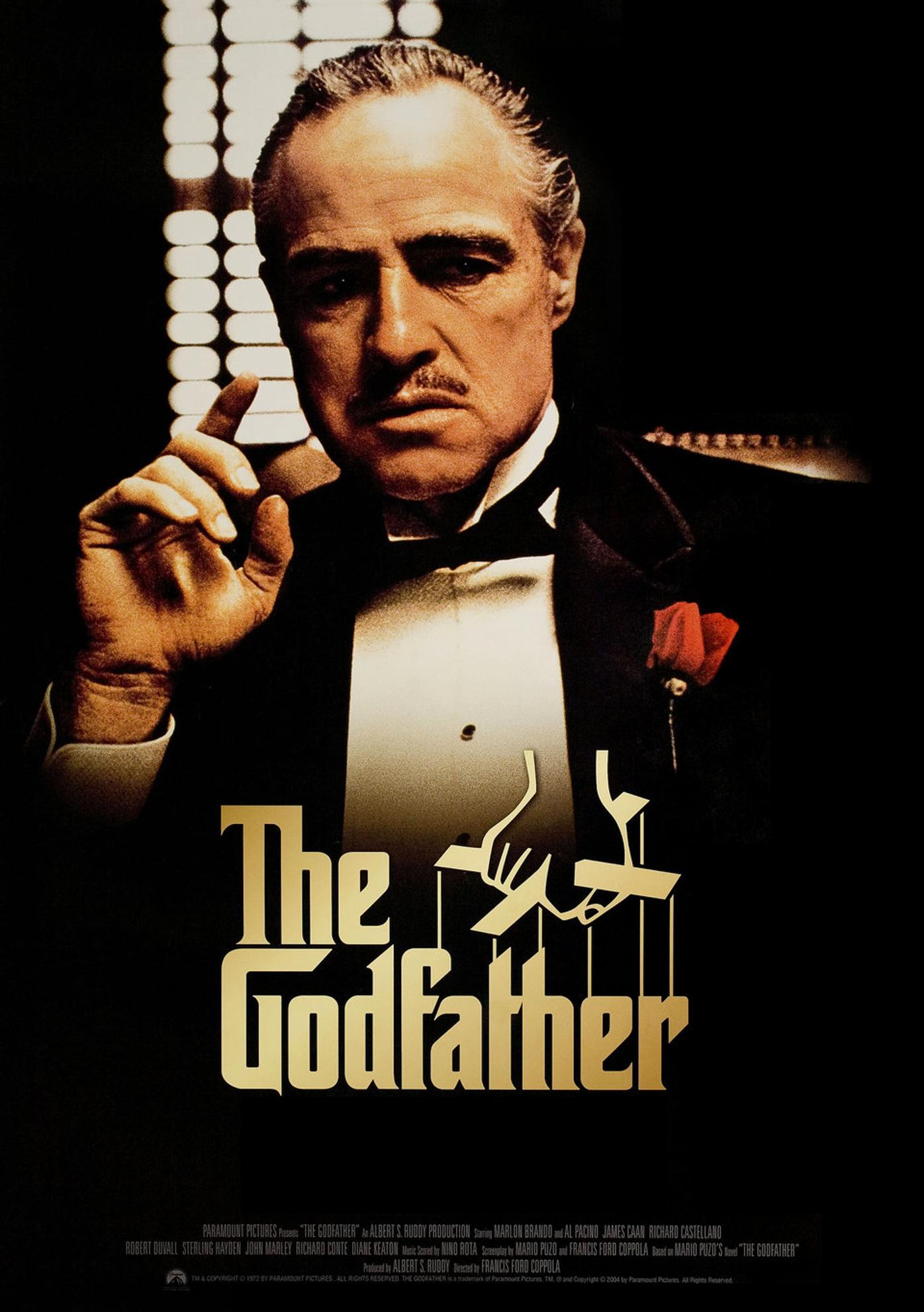

This was the second older film I tried out earlier this year. After seeing it I finally understand dozens of references from modern film and TV (I often have known things were referencing The Godfather, but you get the idea...). Unlike Alec Guinness, I thought Marlon Brando stole the show with his performance and seemed overwhelmingly worthy of taking home Best Actor hardware. It's three hours long, but to compensate the plot moves along at a pretty brisk pace. The one issue with that was that there seemed to be a revolving door of antagonists, all of whom felt underdeveloped and forgettable to me. I know it's the pick of many as the best film of all time, and I respect that, but I didn't get blown away.

Grade: B

The Godfather: Part II
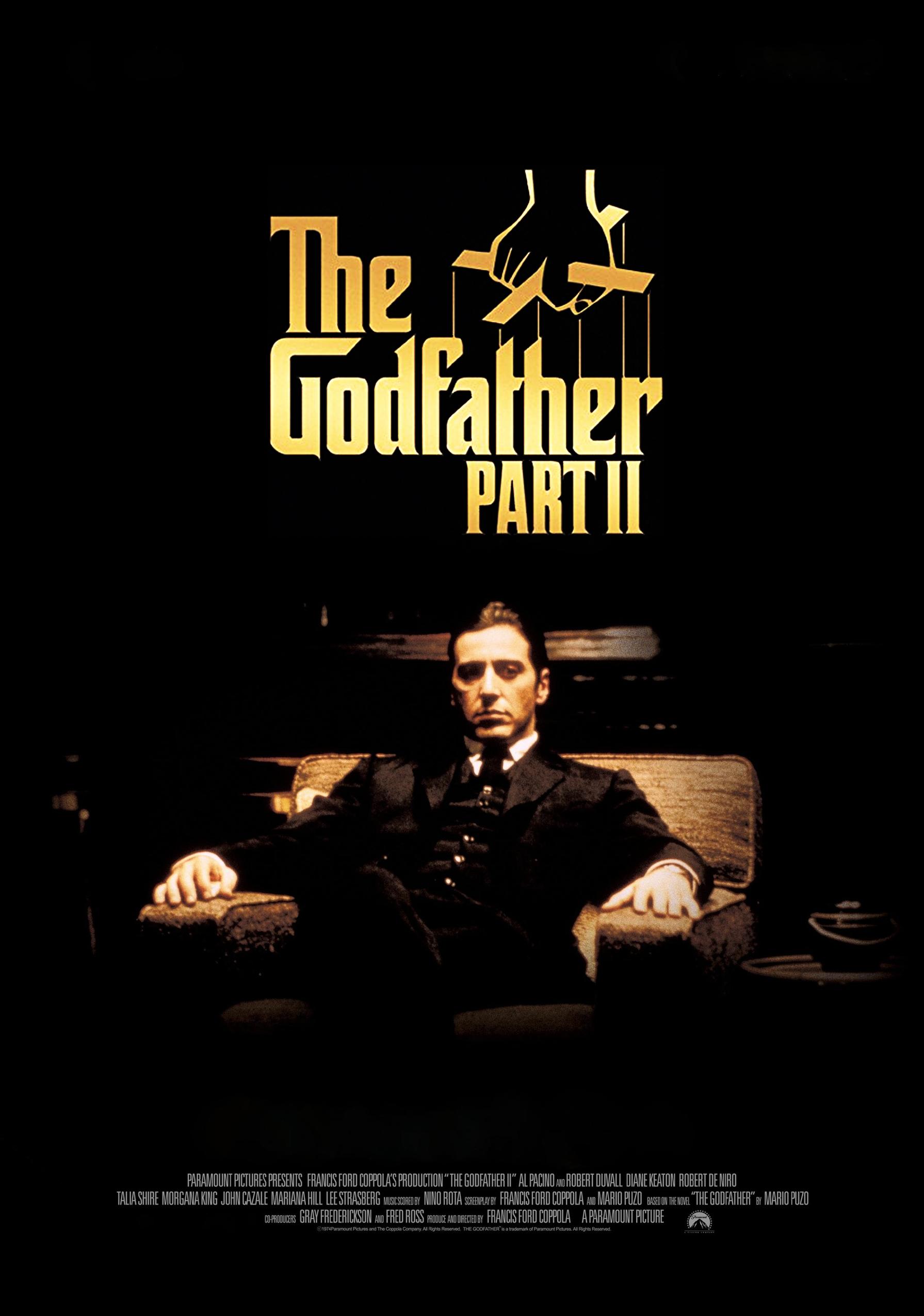
I went ahead with the next one. It was similarly long, but had an interesting flashback storyline of a young Vito Corleone (Robert De Niro) in New York City. Generally, I found the flashbacks to be the most entertaining part of the movie. Much of the rest of it felt similar in style and plot elements to the first movie, only without Brando's performance. I wasn't as enthralled by Al Pacino.

Grade: C+

50/50
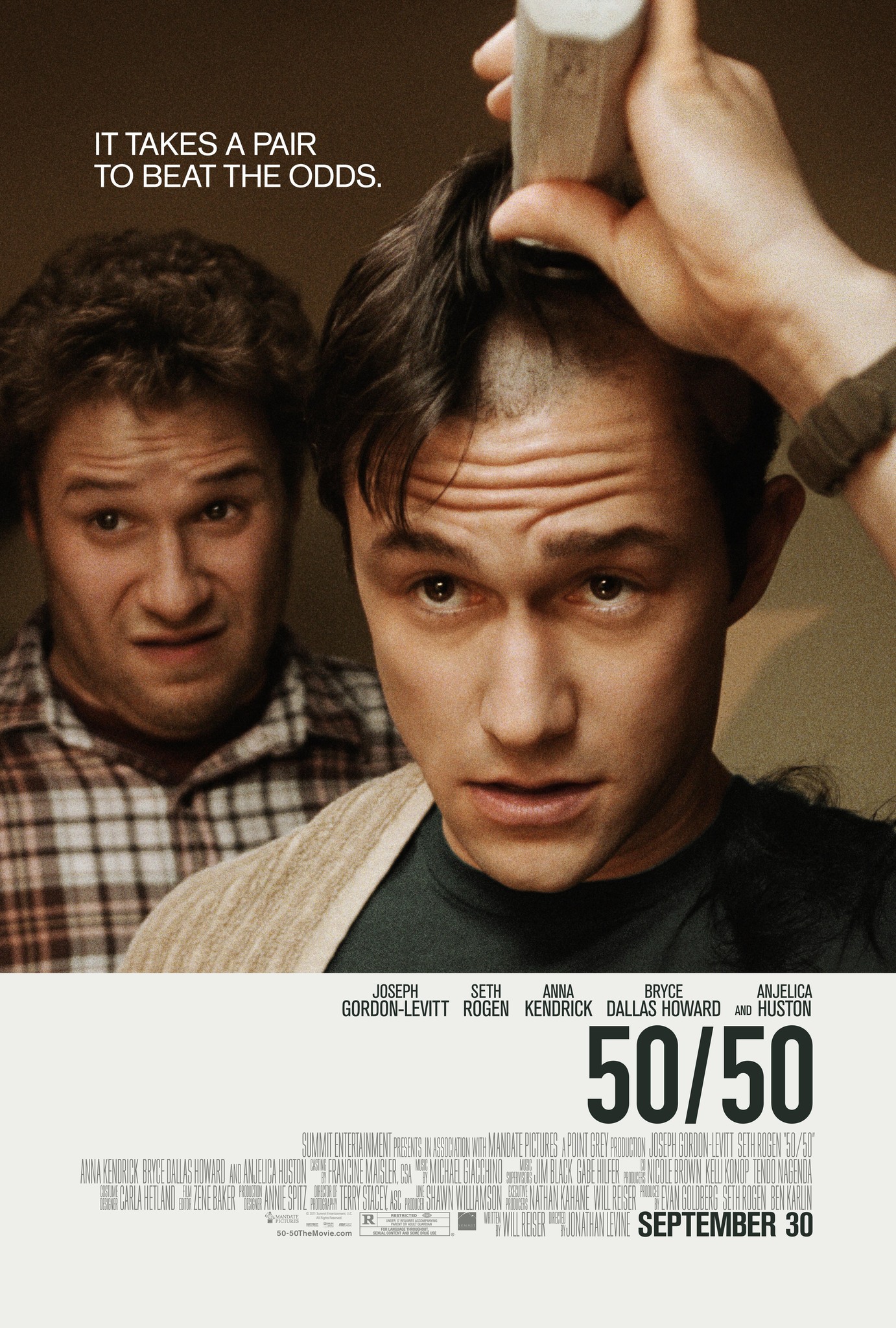

I wasn't quite sure what to expect with 50/50, but it blew me away. It's a story about a young man named Adam (Joseph Gordon-Levitt) who has a form of cancer that effectively comes with the titular odds of recovery. That's a dark premise, and there's plenty of sad moments in the film, but there's plenty of humor along the way, too. 50/50 is more than anything else about interpersonal relationships, particularly between Adam and his friend (Seth Rogen), girlfriend (Bryce Dallas Howard), and therapist (Anna Kendrick). It looks at how tragedy and crisis can test the bonds of those around us and I found myself sucked into Adam's situation and contemplating how I might respond. 50/50 is a thoughtful, entertaining, and emotional film, and I highly recommend it.

Grade: A

The Big Sick


I've been meaning to check out Kumail Nanjiani's project for quite some time, as there's been rave reviews. My wife and I sat down to watch it last month and loved it. Most are at least familiar with the premise: Kumail (loosely based on Nanjiani) is a stand-up comic whose girlfriend, Emily (Zoe Kazan) comes down with a horrible illness that puts her into a coma. The two split up shortly before she was hospitalized, which creates some complications as Kumail attempts to bond with her parents (Holly Hunter, Ray Romano) while she is unconscious. It's a funny movie with plenty of heart -- perfect for a date night.

Grade: A-

The Sting


This was easily my favorite of the older movies that I've been watching. It's about a con man named Johnny Hooker (Robert Redford) in the 1930s who finds himself in the crosshairs of hostile mob boss Doyle Lonnegan (Robert Shaw). Afraid for his life yet desiring revenge for Lonnegan's murder of his former partner, Johnny teams up with long-time grifter Henry Gondorff (Paul Newman) to attempt a huge con on Lonnegan. I found Hooker and Gondorff's schemes very entertaining and the film had an excellent plot. The one thing I thought didn't make any sense and found thoroughly unnecessary was the sub-plot involving the hired killer, Salino, but this is a minor complaint.

Grade: B+

The French Connection

I don't have much to say about this one. I spent most of the movie thoroughly bored and found the conclusion to be pretty unsatisfying. There were a couple memorable action scenes and one-liners but I don't understand what the fuss is about.

Grade: D

That's all for now, but I'm sure I'm forgetting something...

Wednesday, November 14, 2018

My Recent Trivia Obsession

When I lived in Chicago (until mid-2014), I did bar trivia casually with friends on and off and I've always just sort of accepted that I was bad at it because there were tons of pop culture questions and I was really bad at knowing celebrities, TV shows, movies, and the like. Hell, I began to realize that I'm actually really bad at sports trivia as well. I could do well on post-1990s baseball questions, but was spotty on baseball history and I began to gradually realize that pretty much everything I knew about the other sports amounted to the Chicago Bulls and fantasy football. Bar trivia tends to zero in on those topics because pop culture is well, popular.

A little over a year ago I joined LearnedLeague with a few friends from college, figuring it'd be a fun daily trivia activity that I'd try to compete in but wouldn't take too seriously. As it turns out, there were a LOT more things I knew absolutely nothing about than just the stuff folks do or follow for entertainment. I got stomped. It's head-to-head matches, six questions per day, and you assign points to your opponent based on how likely you think they are to get them right. It took me until the fifth day until I got even a single question right. It was a major relief when I saw the scoring the next day to see that I didn't have the shame of yet another zero.


Still, things did not get dramatically better. By the end of the 25-day season, I had answered 18.7% of the questions correctly, or just over one-per-day. I was in the bottom 3% of all 11,000-ish players in LearnedLeague. It legitimately made me feel dumb. I've felt that way plenty of times before -- just ask me to build something, fix something, or do pretty much any manual task and my mind becomes a blob of goo. But about knowing things? I did well enough in school. I didn't think I could rate this poorly.

However, when I think about the way I've spent much of my life and my general approach to learning, it makes a good deal of sense. In high school and college, unless the topic was math or science related (and sometimes, even if it was), my attitude was to memorize the shit, pass the test, and forget it forever because dammit, there is no way in hell that I am going to need to know anything about the 1938 Munich Agreement for the rest of my life.


Oh give me a break.

Furthermore, I didn't exactly use my free time to immerse myself into the culture. While others explored new TV shows, saw movies, and read books in their spare time, I spent a good deal of time playing video games, often repeating the same ones. Others discovered new music, while I listened to a small crop of songs on repeat, many of which were obscure. For about six years from 2004-2009, I tried to cram as much poker-playing into my life as possible. That made for some fun, interesting experiences, and some good stories, but it didn't do anything for passive absorption of information. Even after quitting poker, it was difficult for me to push myself to experience new things on my time. I'd often opt to watch re-runs of shows or movies rather than trying something new, because God forbid I might not like it and realize I had ::gasp:: wasted my time.

After considering all of this, it's overwhelmingly obvious why I woke up in the year 2017 not knowing anything about anything. I've spent most of my life actively rejecting knowledge except that which I deemed pertinent to my career.

So after my first season of LearnedLeague, I was pretty mad that I performed much worse than people I was friends with and a legion of smart people that I've never met. I can probably count on one hand the number of activities that I both enjoy and am bad at -- golf is probably the only one I can think of off the top of my head (and I am horrid at golf...if you think shooting a 110 is bad, don't talk to me). There were only two options. Either I work to get a LOT better at LearnedLeague or I quit it forever. The problem is that I still had no interest in Da Vinci's paintings, or the Franco-Prussian War, or the states of Australia, or movies made in black-and-white, or TV legal dramas, or boxing, or Shakespeare, or Greek mythology, or the myriad other things that are completely obsolete to my everyday life unless they appear in a trivia question.

So what was going to win out here? My extremely petty level of competitiveness or my honest-to-God apathy toward what I perceive to be useless information? Would it be the gym class hero or the habitual watcher of re-runs?

With me, the gym class hero wins every time.

So I plowed ahead with LearnedLeague and tried to get better. I've tried memorizing new things and reading books on different topics. I now record every episode of Jeopardy!. I began listening to a trivia podcast about a month after making fun of someone in my mind for telling me that they listen to a "trivia podcast". It sounds like a lot of effort, and it is, but there have been some benefits in the form of lifestyle changes. I've basically quit watching TV re-runs and have mostly phased out video gaming. Whenever I'm going to spend my spare time on entertainment, I make the choice to experience something new. Hell, I even sample some old movies now. I watched The Sting the other night and liked it a great deal. Is it all being done due to this stupid push to be competitive at an online trivia competition with no prizes? Yeah, probably. But it's also probably going to make me more well-versed in the culture and such, which is good, I guess.

Make no mistake -- I'm behind the 8-ball here. Trying to rapidly (re)acquire a lifetime's worth of knowledge on the wrong side of 30 is no easy task, as my brain's capacity for memory and learning is no longer what it was. But I have improved...I've since gotten about double the amount of questions right that I did in my first season of LearnedLeague, and while I'm still in the bottom quartile of players on the site, at least I can say good-bye to my days in the bottom 3%. Hopefully this means my learning capabilities aren't quite fried yet.

Tuesday, November 13, 2018

It's Always Sunny in Philadelphia (Season 13)


The big question looming over Season 13 of It's Always Sunny in Philadelphia was Glenn Howerton's level of involvement in the series, as the finale of Season 12 wrote in a plausible exit for Dennis Reynolds and Howerton's other endeavors presumably take up a good amount of his time. The above picture didn't lend much hope, unless Dennis was supposed to be the deranged axe man in the background.

Sure enough, Dennis is absent for the vast majority of the first episode, and it's evident how much the show (not to mention the Gang itself) needs him to function. The reveal that he's back (and not just in doll form) at the conclusion of "The Gang Makes Paddy's Great Again" was such a big, refreshing moment that sealed a very good premiere.

However, it's implied that Howerton's presence would be spotty, and that certainly was the case. Dennis was only present for six of the season's ten episodes, one of which was a clip show and another of which was the cameo in the aforementioned pilot. Not coincidentally, three of the four episodes in which he was absent were among the season's worst (with the finale the only exception, and we'll get to that). Particularly weak was "Charlie's Home Alone", which was interesting in concept but awful in execution, as the episode spent the first half effectively having Charlie act out scenes from Home Alone and the second half having Charlie spring gruesome and horrible traps on himself. Also horrible was the completely unfunny "The Gang Beats Boggs: Ladies Reboot", in which Dee and a cast of recurring minor characters fail to recapture the magic of a classic episode. It's Always Sunny in Philadelphia is at its best when the core cast is playing off of one another. In isolation, none of these characters are that great.

Fortunately there were a couple winners during the season. "The Gang Solves the Bathroom Problem" walked a fine line but did so effectively, as the Gang desperately tried to conclude their tangential argument with enough time to make it to a Jimmy Buffet concert for once. The running gag about the non-Dennis characters singing "The PiƱa Colada Song" in anticipation of Buffet playing it in concert was particularly memorable. Probably the funniest episode of Season 13 was "Time's Up for the Gang", in which the Gang attends a sexual harassment seminar that they predictably deconstruct while typically exhibiting the massive disconnect between each character's self-perception and their reality. The episode gets to the next level when it's revealed that the entire seminar was masterminded by the sociopathic Dennis, who set everything up to call out the rest of the Gang for their past misdeeds (with the irony being that Dennis has by far the most history with being a sexual predator). The formula is somewhat familiar, but it's Sunny at its finest.

Yet, without Dennis, the show must seek out a new identity, and the Dennis-less finale of Season 13 was so unlike anything we've seen before from the show. Sunny has experimented with giving actual human moments to its characters before, most notably Charlie, but the one constant is that they never treat one another like human beings; they're just five individuals stuck together by nature of their own shittiness. The weakest relationship in the group always seems to have been between Frank and Mac. It's crazy, therefore, that Sunny turns to those two for its first truly touching moment in, well, ever.

Mac's closeted (and eventually open) homosexuality had been played on by the rest of the Gang for laughs for years, but the Sunny finale shows Mac as a man who is unable to find his place and who's misunderstood by everyone from his father to his alleged friends. The first two-thirds of the episode, in which everyone continues to treat Mac like a caricature, feel intentionally bad; there's ostensibly jokes but none of them are funny or clever. But then Frank comes back to Mac one more time and says something that eventually helps Mac come out to his deranged father:
"You-you see, Mac, I've been in agony the whole day, but I came to this realization that sometimes you got to let the blood flow in order to start the healing. Some cuts you just can't plug up. That's the same for you. You got this thing inside you, and you're trying to plug it up. But you got to let that shit out. You got to let it flow. Otherwise, you're gonna be in agony for the rest of your life."
What follows is a five-minute interpretive ballet dance between a woman and Mac which Mac tries to use to explain his lifelong struggles to his father. It doesn't work, but it resonates with everyone else in the room including Frank, whose epiphany ("Oh my God. I get it. I get it.") is the climax of the season. In any other episode of Sunny, there would have been some sort of joke -- that Frank was setting Mac up to punk him, that Frank's attempt at sincerity would have been misguided, that Mac's dance number would have been horrible, that Mac's dance number would have been impressive but no one cares for it anyway because it's Mac -- but it doesn't happen. There's a level of earnestness and human feeling in the last ten minutes that Sunny has never explored before, and it will be fascinating to see whether it affects the tone of the show in Season 14.

All things considered, between the heights of "Mac Finds His Pride" and "Time's Up For the Gang" and the lows of a couple of the aforementioned terrible episodes, Season 13 of It's Always Sunny in Philadelphia was quite inconsistent. That will happen when a show partially phases out a character like Dennis Reynolds, but at least it showed that it has still has the creative capacity to put together an occasional excellent episode this deep into its run.

Episode Grades

1. The Gang Makes Paddy's Great Again: B+
2. The Gang Escapes: B-
3. The Gang Beats Boggs: Ladies Reboot: D
4. Time's Up For The Gang: 
5. The Gang Gets New Wheels: C-
6. The Gang Solves the Bathroom Problem: B+
7. The Gang Does A Clip Show: B-
8. Charlie's Home Alone: D-
9. The Gang Wins the Big Game: C+
10. Mac Finds His Pride: A

Season Grade: B-

Tuesday, November 6, 2018

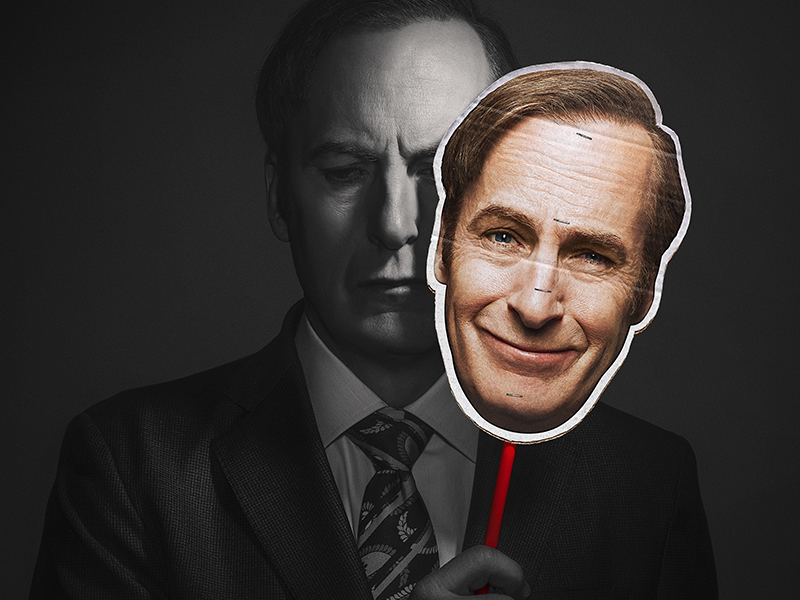
Better Call Saul (Season Four, spoilers)


It was a mistake to jump straight into binging Season Four of Better Call Saul fresh off of marathoning six seasons of The Americans. It was difficult to re-adjust to Vince Gilligan's slow, methodical, artsy style of storytelling after living in Joe Weisberg's fast-action 1980s period drama. Both shows are great in their own right, but it was considerably tougher for me to get sucked into Saul than it had been in years past. To wit, my wife effectively called it quits after the first couple episodes (though naturally, she still wanted me to tell her what happened).

The season did take its time to find its footing, to be sure. The fallout from Chuck's death included extremely weird behavior from Jimmy, who seemingly couldn't find joy in anything until he found out that he was indirectly behind Chuck's suicide. That should have been the first clue for his McGill-severing behavior in the finale. Similarly, Mike meanderings in Lydia's warehouses early in the season wound up not serving much direct purpose, and his arc didn't really pick up until later in the season.

That said, boy did his arc pick up. His effective command of the superlab construction project was probably my favorite Mike storyline of the entire series, and this is the first time I've found myself more invested in Mike than Jimmy. His relationship with Werner and its ultimate termination were heartbreaking, and the scene in which he's forced to kill him is simultaneously one of Better Call Saul's saddest, best-shot (heh) and well-executed (ahem) scenes.

Nacho getting absorbed into Gus' operation was another interesting twist, and I would have liked to see that action play out further. It was horrid to watch him in agonizing pain from the gunshot wounds of Gus' guys, and we really didn't see a whole lot of him after his recovery. The arrival of Lalo* was a new element of danger for Nacho, and we last see him looking at Canadian driver's licences (I think?) for him and his father.

*I've read that the "Better Call Saul" episode of Breaking Bad, Saul asks Walter and Jesse if they were sent by Lalo. That's fascinating how much of this world was built by offhand comments in the predecessor series. It makes me want to re-watch Breaking Bad to catch all of these references.

Kim had a little bit of a weird season as well, as she was often cold and shut off. Her best moment came when she lashed out at Howard over Chuck's will arrangement. The rush she gets when slipping (heh) into Jimmy's schemes continues to fascinate me, but in the end it appears that she was conned more than anyone else in that storyline. She shed tears over Jimmy's impassioned speech to the bar committee and when it was revealed shortly after that Jimmy was totally full of shit, it seriously hurt, as Kim had said she'd be with him no matter what. Thinking back on the season, the moment had plenty of foreshadowing but it still registered as a total shock when it happened.

One wonders whether Jimmy's relationship with Kim has permanently severed at this point. She's pledged allegiance to him through so much garbage over the course of the series, but this was by far Jimmy's most serious betrayal of her trust. It's the first time that Jimmy seriously doesn't seem to give a shit about her feelings and the single point at which there's no doubt that he's beyond redemption*. Breaking Bad had a similar climax at the end of Season Four, when the camera pans to the Lily of the Valley plant, effectively revealing that Walter poisoned Brock. The Saul Goodmanning of Jimmy McGill is effectively complete in this moment, and we're left with one more season to link him up with Walter White. Better Call Saul has had better seasons, but its run of quality largely continued in Season Four. The debate of whether this show or its effective sequel is the better series will continue to rage on -- something that seemed inconceivable when news of this show originally leaked.

*Humor me, assume that there's not a whole, previous television series indicating that he's beyond redemption

Season Grade: A-


Friday, October 26, 2018

The Americans (Full Series, Spoilers)


I reviewed Season One of The Americans on June 19th and almost exactly four months later was finally able to finish the sixth and final season, so this has been one heck of a 75-episode marathon. But let me tell you, it was sure as hell worth it.

As I've covered previously, The Americans is on its surface about the Cold War, spies, and 1980s politics, but more than anything else, it's a show about marriage, family, and how the choices we make in the world affect both. Season One sets up the contrast between Philip (Matthew Rhys) and Elizabeth Jennings (Keri Russell). Philip enjoys American life and repeatedly questions the morality of their work as KGB spies. Elizabeth is the unflinching loyal solider (I often referred to her as SovietBot while watching the show), able to carry out heinous deeds for her homeland and allow the greater principles for which she's fighting to supersede the awful things she does to people. Yet, despite their differences, they need each other and have a unique love unlike any I've seen on television.

The pair ruin and/or murder approximately one life of a mostly innocent person per episode (I'll have to check the math there, but that feels right). Philip often cannot see how the ends justify the terrible means, often to the bewilderment of Elizabeth. We're meant to identify and sympathize with Philip, but the show does a good job of conveying motivation and it's far more nuanced than "Americans Good, Soviets Bad" (to wit, the show's most likable character is Oleg Burov (Costa Ronin), who turns out to be so much more than the entitled womanizer he appears to be at first). Elizabeth does have some pure ideals, it's just that these convictions lead her to unquestioningly carry out any deed requested by handlers Claudia (Esteemed Character Actress Margo Martindale) and Gabriel (an absolutely terrific Frank Langella).

It isn't until near the end of the series that doubts begin to creep in for Elizabeth that Claudia, Gabriel, and the mysterious Centre are truly fighting the good fight. In the fantastic sixth season, Philip quits the KGB and actually winds up being asked to spy on his wife by Arkady Zotov (Lev Gorn) and Oleg. Philip questioned the KGB's motives for years, but it took an outright betrayal of Elizabeth to get her to truly contemplate the merits of her actions.

In-between, there's no shortage of excellent storylines, including:

  • Neighbor and FBI agent Stan Beeman's (Noah Emmerich) extremely slow realization of who his next door neighbors really are
  • Daughter Paige's (Holly Taylor) somewhat quicker discovery of the same, though she has it spelled out for her after confronting her parents
  • The frenemy relationship between Stan and Oleg
  • Philip's relationship with, and eventual marriage to Martha, an FBI secretary, whose life becomes completely unraveled
  • The outstanding Season Four arc involving bitter biological weapons agent William Crandall (Dylan Baker)
  • Philip and Elizabeth dealing with the KGB's wishes to develop Paige as an agent
There were a couple less successful subplots mixed in. I didn't particularly care for the Nina Krilova (Annet Mahendru) story in Seasons Three and Four. She was so disconnected from the rest of the plot that her arc didn't seem to serve much purpose, other than showing the brutality of Soviet "correctional" facilities. Perhaps in recognition of this, the show killed her off in Season Four, but it was about a season and a half too late. Oleg's investigation into the Soviet food supply in Season Five didn't work for me for similar reasons.

These were but mild disappointments, however. The Americans kept the action flowing and there was rarely a dull episode during its run. However, that non-stop excitement meant that a large number of unfortunate souls wound up in the Jennings' destructive path, and the show needed to really fight itself to avoid collapsing into pure misery porn. This is a damning comparison, but the grim mood and minimal humor in the show (the funniest "character" is a primitive mail robot that doesn't do anything but move and beep) occasionally made me think it was like Ozark but with a brighter color palette. 

Of course, that does The Americans absolutely no justice. Elizabeth and Philip Jennings are two of the best characters that TV has ever seen, and the acting by Russell and Rhys could have justified multiple Emmy awards (thankfully, Rhys took home the hardware this year to prevent the pair from completely blanking). Keri Russell played fierce, terrifying, disarmingly friendly, and sexy (often multiple at the same time) throughout the series, and nailed every beat. Her scenes with disguises were particularly great, because no matter which character she played, her dangerous eyes made her nothing short of menacing to the audience, even if her mark was none the wiser.

Rhys was also splendid, but in a much different way. His face carried the pain of the horrible deeds that he and Elizabeth carried out throughout the series, perhaps never more effectively than late in Season Six. He rejoins Elizabeth for a mission that goes awry and has to use an axe to chop off the limbs of a fallen comrade. The sheer anguish that comes through his eyes without him making a sound was probably the best of Rhys' many excellent moments. I flip-flopped throughout the series on who was better between Russell and Rhys and in the end it's a toss-up.

Here's my rankings of the six seasons of the show:

1) Season Four. The biological warfare storyline was the best of the spy plots, and this season had the resolution of the Martha arc along with a maximal allotment of Frank Langella

2) Season Six: The surprising dynamic of Philip and Elizabeth working against one another, plus the excellent finale, plus Oleg being successfully re-integrated into the main plot are just a few reasons that Season Six was great.

3) Season One: The first season accomplished the difficult task of diving straight into the action while setting up the show's dynamics, and the pilot episode is one of the best series premieres I've seen.

4) Season Three: Highlights of this season include Elizabeth and Philip revealing their secret lives to Paige and the outstanding episode in which Elizabeth slowly kills the elderly bookkeeper with pills while Philip bugs the mail robot. Lowlights include literally everything involving Nina.

5) Season Five: The best part of this season is the gutting reveal that Agri-Corp is trying to develop pest-resistant wheat rather than use bugs as a weapon against the Soviet food supply, as it means the Jennings killed yet another innocent person. It's the first of several awful moments in this season that lead to Philip calling it quits.

6) Season Two: A perfectly above-average season of television that had fewer standout moments than the rest.

I'll close with some notes on the finale. The scene in which Stan finally confronts Elizabeth, Philip, and Paige is the pinnacle of the show, as six seasons worth of relationship-building and tension finally come to a head. For lack of a better word, it's perfect. Noah Emmerich brings out Stan's equal feelings of anger, betrayal, and sadness in a wonderful bit of acting. It's cathartic to watch the Jennings finally be truthful (well, mostly) with their closest friend and neighbor after all of these years, and Stan's inability to bring himself to actually stop them from leaving (or shoot them) is crushing, because it renders worthless the chase he's been on since 1980.

Worse still, on the way out, Philip suggests his girlfriend Renee is a Soviet spy. The show makes the excellent choice to never confirm whether that's true or not. The truth is, it doesn't matter. Either way, it completes the destruction of Stan's life because he'll never be able to trust her again. It's just one more life ruined by the Jennings on their way out. The only solace is that Stan still has his relationship with Henry, the boy to whom he was more of a father than Philip ever was.

It's fitting that both children wind up staying behind in America, as its the only life they ever known. Henry's never really had parents, and he's better off in a familiar place. Paige had a relationship built on lies for years, and while she was eventually integrated into aspects of Soviet life, Elizabeth's repeated dishonesty with her and the horrible things she finally realizes her parents had done are what I think led to her hopping off that train.

In this era of Peak TV, it seems like there's no shortage of excellent content everywhere (to wit, just see the high grades I've been handing out all over the place in 2018). I really do believe, though, that The Americans is an all-timer, a show that stands up well to some of the best the creative minds of this medium have ever produced. The Wire still stands tall above the rest, but I'll soon be debating where this stands among the other greatest shows I've ever seen.

Series Grade: A

Thursday, October 11, 2018

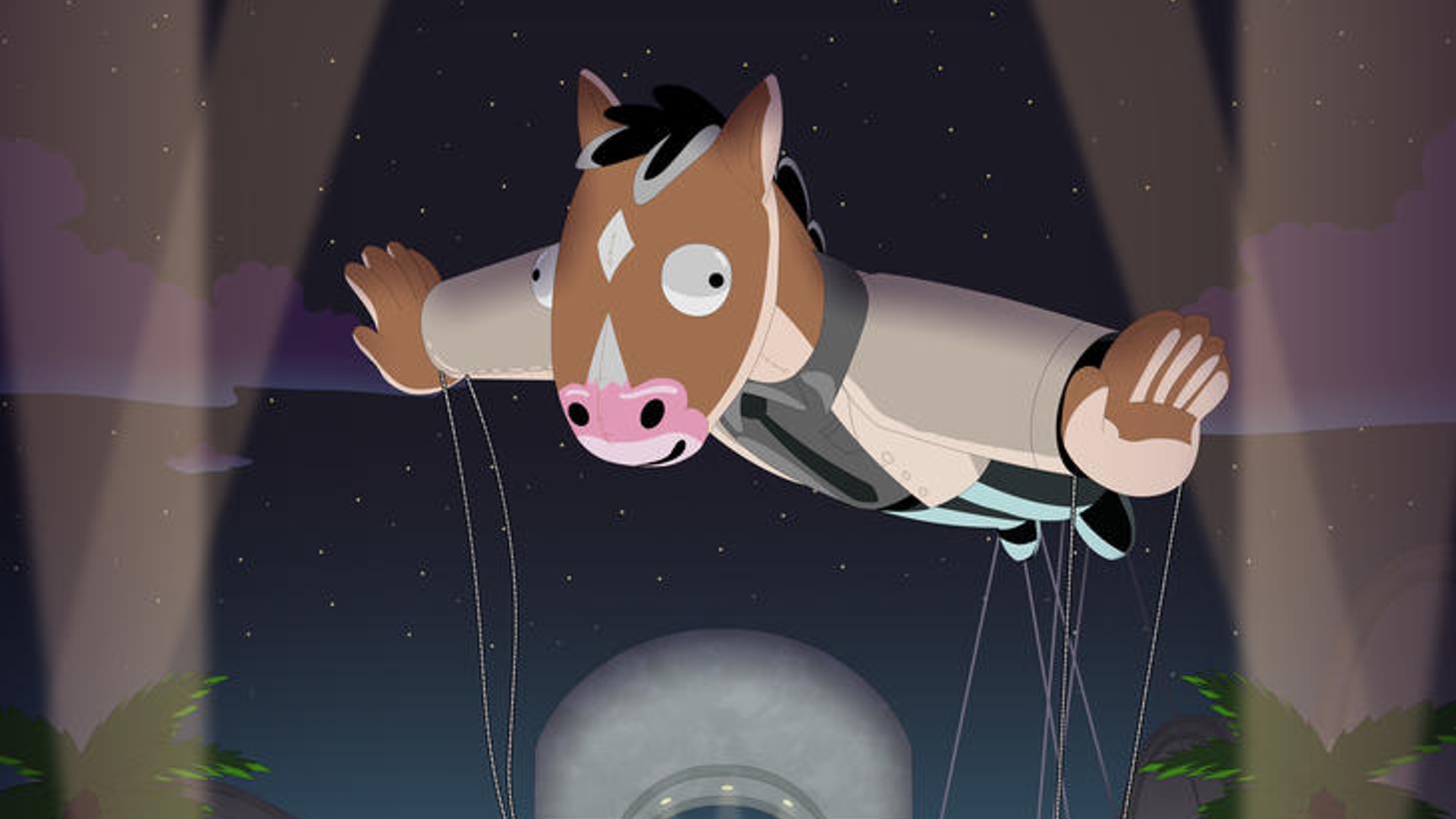
BoJack Horseman (Season Five)


By clicking on the "BoJack Horseman" label on this post, you'll see that I used to write episode recaps of BoJack in some past seasons. I didn't do that this year, because 1) I'm backlogged with shows to watch, 2) it became a slog to get through the season and 3) I was worried about the show's uneven quality in Season Four (it had three of the series' best episodes but there were some rougher installments) and feared that it couldn't prolong its run of greatness.

That last reason turned out to be a non-issue, as BoJack Horseman bounced back from that minor hiccup and turned in another excellent season of television. Yet, it did so in a different way than in past years: by eliminating the lull episodes. If I were to rank my top ten episodes of BoJack Horseman, I'd go, in rough order...

1) "Escape from L.A." (s2, ep11)

2) "That's Too Much, Man!" (s3, ep11)

3) "Fish Out of Water" (s3, ep4)

4) "Time's Arrow" (s4, ep11) (note the theme of penultimate episodes....)

5) "Let's Find Out" (s2, ep8)

6) "Best Thing that Ever Happened" (s3, ep9)

7) "Ruthie" (s4, ep9)

8) "Free Churro" (s5 ep6)

9) "The Old Sugarman Place" (s4, ep2)

10) "The Showstopper" (s5, ep11)

Now, BoJack Horseman is an outstanding show. All of these episodes get an "A" in my book, but there are varying degrees of  "A", and no installment of Season Five represented "the best of the best" of BoJack Horseman. Still, despite not having any inner-circle Hall of Fame installments, Season Five had consistently high quality.

**SPOILERS ARE BELOW**

The sole exception was "BoJack the Feminist", the annual political hot-button issue installment in which the show becomes merely average. I've said this before, but when BoJack Horseman tackles social issues, it devolves into every other show that's doing the same and presents its (usually correct) message no more creatively than what you get elsewhere (exception: the very good Season Two installment "Hank After Dark"). The show tackled #TimesUp much better later in the season with the promotion of Todd's sex robot Henry Fondle (seriously) to CEO of WhatTimeIsItRightNow.com. The idea of a masculine character being in a position of power and being programmed only to say sexually suggestive things was a much more creative and much more BoJack take on the issue, and that only Todd seemed to understand it's a robot resulted in further comedic value.

Todd: "Uh, Henry Fondle is a sex robot, and he should not be CEO of any company."
Reporter: "When you say 'sex robot', you're speaking metaphorically, right?"
Todd: "No."
The "punishment" of indefinite paid leave for Henry Fondle further drove the lack-of-accountability point home.

There was no shortage of great storylines this season, including Mr. Peanutbutter's continued habit of dating twenty-somethings and never really growing up and the continued exploration of Todd's asexuality (a fantastic and largely uncharted perspective on television). Less effective was the story of Princess Carolyn's attempts to adopt a baby, but her interactions with the thoroughly unhelpful Tracy at the adoption agency were usually pretty funny.

This was particularly a great season for Diane, and I really enjoyed "The Dog Days are Over", in which she travels to Vietnam in search of her identity. She's grappling with the fallout of her divorce to Mr. Peanutbutter and tries to find a sense of meaning in writing for Philbert, BoJack's new TV show, specifically with the goal of reducing its emphasis on objectifying women. Growing resentment for BoJack and newfound knowledge of his past sins results in her getting back at him in an extremely creative way -- writing his night with Penny from Season Two's "Escape from L.A." into Philbert and forcing him to re-enact it. It was a brilliant plot twist both for BoJack Horseman and for Philbert.

Better still was Diane's explosive fight with BoJack in "Head in the Clouds", which harkens back to the Season Three bottle episode "Best Thing that Ever Happened". This one might have been even more intense, as BoJack finally comes clean about his New Mexico trip, and it isn't pretty. BoJack's efforts to paint himself as the biggest victim of his own actions are defused rather quickly the second that Diane crushingly brings up the fate of Sarah Lynn. It's a thorough dismantling of BoJack that really hits home.

BoJack, of course, has other struggles of his own this season. His horrible mother, Beatrice, dies off-screen, and in "Free Churro", we see BoJack deliver his eulogy...for an entire episode. The haunting 24 minutes of anecdotes intermixed with oft-sarcastic diatribes makes for a hell of an Emmy audition for Will Arnett, who does possibly the best work of his career in this episode. BoJack comes to terms with what his mother's death (along with the last words she spoke to him) really means for him, and it reflects well on no one. It's a contemplating and cutting half-hour of television.

That episode breaks from the larger narrative of the season in which BoJack progressively has the lines blurred between living his own life and living within the character of Philbert. "The Showstopper" creatively uses that as a storytelling device, as BoJack's frightening dependence on pain medication sends him into a drugged-up haze once again in the penultimate episode of a BoJack season. He has a tepid but consistent romantic relationship with his co-star (though BoJack would resent this term) Gina, and when Gina takes his pills away, BoJack's anger in that moment blurs with a scene from Philbert in which he's supposed to be choking Gina, and even though the showrunner (Flip, played by a brilliant Rami Malek) yells "Cut!", he continues to choke her in a frightening scene. That prompts Gina to respond with, "What the fuck is wrong with you?", a perfect moment for BoJack's once-per-season ration of the word "fuck".

The best moment of "The Showstopper", however, is the pain-pill-hallucination musical number featuring Gina singing her way through scenes of BoJack's past transgressions and all the people he's harmed. It's a terrific visual accomplishment and a great reminder of all the baggage BoJack continues to carry with him. The season ends with Diane, who has absolutely zero reason to be kind to BoJack at this point, driving BoJack to rehab to help him get correct. With Philbert dissolved, Princess Carolyn finally adopting, Todd putting Henry Fondle out to pasture, Mr. Peanutbutter issuing a surprising proposal to his girlfriend, Pickles, and Diane reflectively driving away, still trying to find herself, our season comes to a close, ready for another excellent twelve episodes. I can't wait for what this show has in store for us next year.

Season Grade: A

Season Rankings:
1) Season Three
2) Season Two
3) Season Five
4) Season Four
5) Season One

Wednesday, September 26, 2018

Atypical (Season Two)


Season One of Atypical was one of my favorite surprises so far this year. Robia Rahsid's show about autistic teen Sam Gardner (Keir Gilchrist) and his family hit a massive home run with its debut and while it was a tough act to follow, the show largely succeeded in continuing the highs in its second season.

Note: There may be some Season One spoilers below, but if you haven't seen the second season, I'll try to avoid ruining much.

The foundation for much of the plot of Season Two was set up during the prior season's falling action, so there were natural places for the show to go. Sam has to cope with life without regular visits with therapist Julia (Amy Okuda), Casey (Brigette Lundy-Paine) makes the move to Clayton Prep to continue her track career and has to cope with a generally hostile environment, and mom Elsa (Jennifer Jason Leigh) has to reckon with the consequences of her affair with the bartender from last season and try to get back into the good graces of husband Doug (Michael Rapaport, whom I recently discovered is in the middle of a weird tiff with Bartsool Sports).

As the season progresses, we witness Sam's attempts to become more independent as he looks ahead to going to college. Life is complicated between Sam and ex-girlfriend Paige, as the latter attempts to draw boundaries on their complicated relationship, which typically does not go according to plan. Similarly, Doug's (understandably) mean-spirited attitude toward Elsa results in rules for when she can and cannot see her children. The strictness of those rules gets tested once the reality of being a single working father begins to set in.

As in Season One, however, the heart of the show is Casey, who's stuck between the challenges presented by living with Sam, fully loathing her mother for cheating on her father, and having to attend a confusing school where she has absolutely no allies. She has to deal with Izzie, the captain of the track team, who is initially a major jerk, but inevitably the relationship between the two evolves over the course of the season. Casey's boyfriend Evan seemed almost too perfect in Season One, and sure enough, we begin to see some cracks in that foundation. Casey finds herself in the middle of two love triangles during the course of Season Two -- one predictable, the other far less so.

One of my favorite parts of Season Two was that we got to see and understand a good deal more of Sam's friend/co-worker Zahid (Nik Dodani), whose obnoxious (yet often very funny) schtick in Season One was carefully balanced out by his genuine affection and concern for Sam. Zahid's loyalty to Sam and willingness to help him in any way continues to be endearing, and we learn a little more about his family and ambitions, which is a welcome development. Zahid scenes were consistently highlights for me, and while Casey and Sam are the clear best characters on the show, Zahid is probably the most entertaining and the one I look most forward to seeing on screen.

The second season wasn't flawless, particularly with its minor characters. For example, I didn't buy Izzie's abrupt character shifts throughout the season, and given the way Evan was drawn in Season One, the few moments where it seems like he's being a dick feel somewhat fabricated. However, they largely did better with Paige this time around (which readers may recall was my lone real gripe about the first season), so that kinda made up for it.

Atypical continues to be a charming show that has a way of investing you in its characters (except Elsa. Elsa sucks). Dramedies seem to be pushing themselves more and more toward the drama end of the spectrum these days, but Atypical does a good job of keeping the laughs involved, even during the more serious episodes. I rate Season One higher, but Season Two was still very, very good.

Season Grade: A-